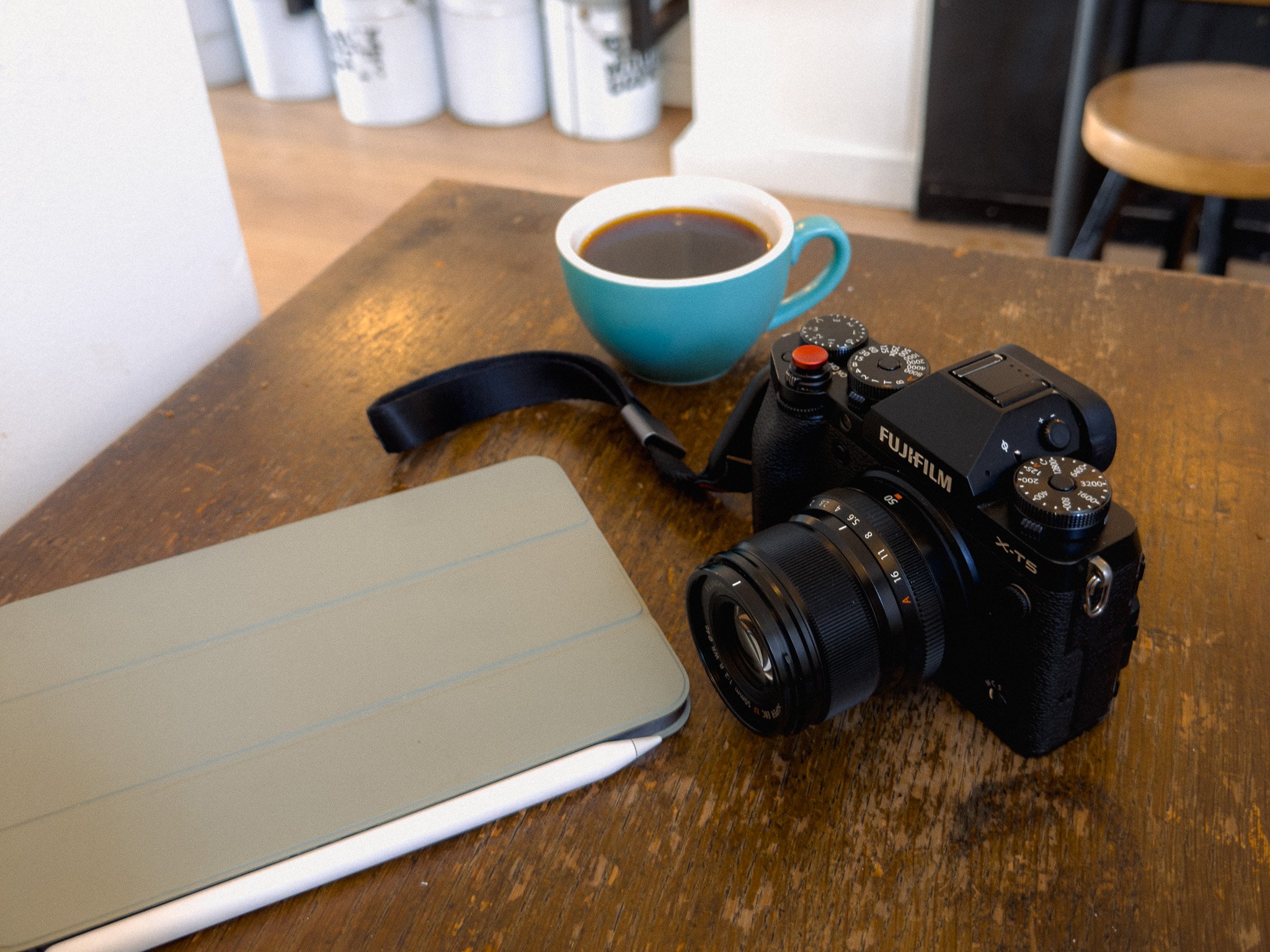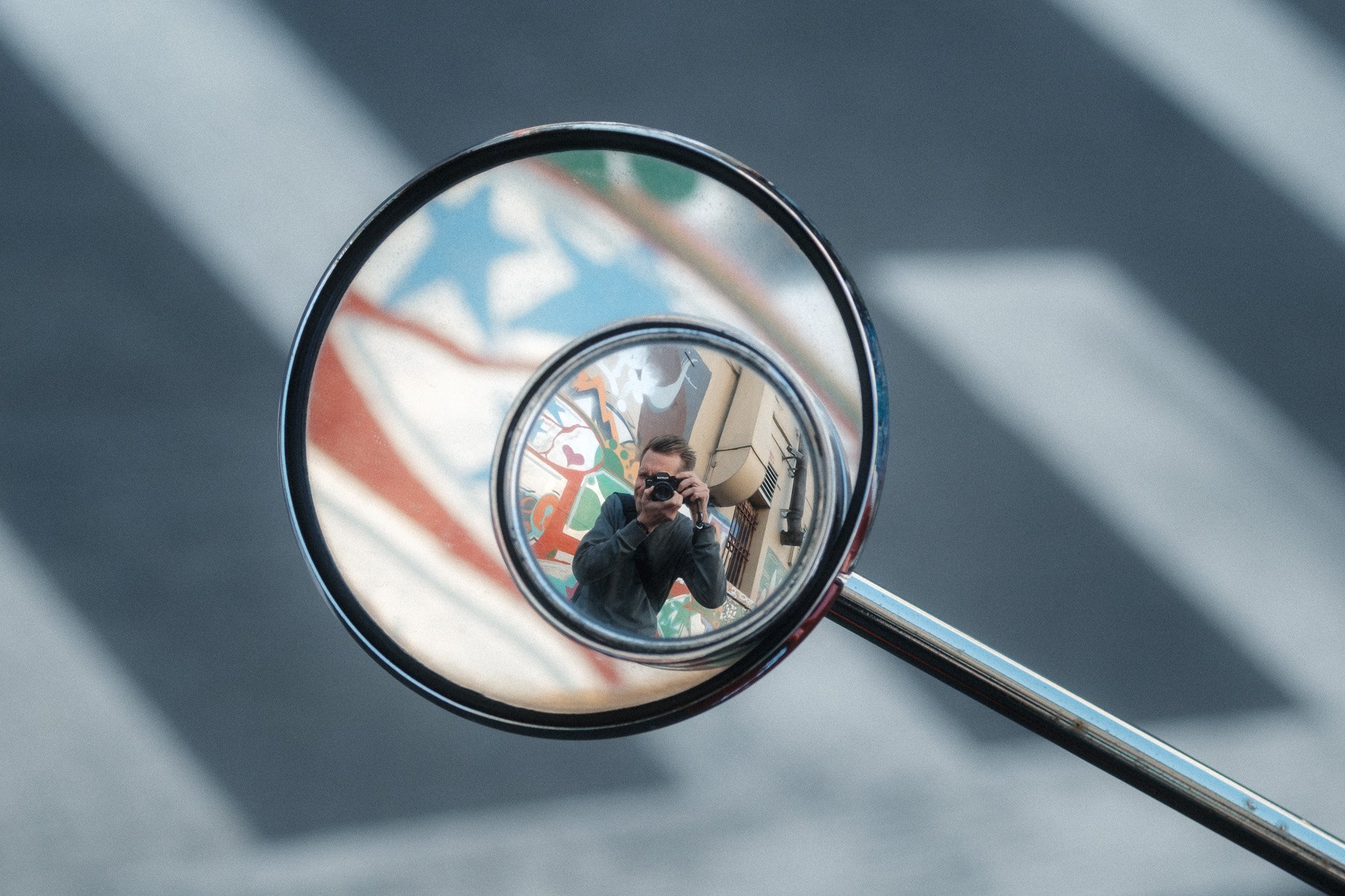
You know the feeling. The light is doing something weird, something interesting. Instinct kicks in. You raise the camera, fire a few frames…
“Did I get it?”
You look down at the screen. Zoom in. Check sharpness. Check the histogram for some reason. Now you’re not in the moment, you’re performing for an audience that hasn’t even arrived yet.
That’s the photographer’s paradox: the thing we use to feel more alive in a moment can pull us straight out of it.
When Shooting Becomes Auditioning
We probably didn’t start photography for followers, reach, or “content.” We started because light was fun. Because shadows did strange things in alleyways. Or to simply take nice holiday snaps.
Then we started sharing.
Slowly, it shifts from “I want to remember this” to “I hope this performs.”
You stop just noticing light. You start auditioning for it.
-
Will this bang on the feed?
-
Is this “on brand”?
-
Should I shoot this vertical for the socials?
The frame becomes a stage. You become the act. And the more you think about how it plays later, the less you’re actually there now!
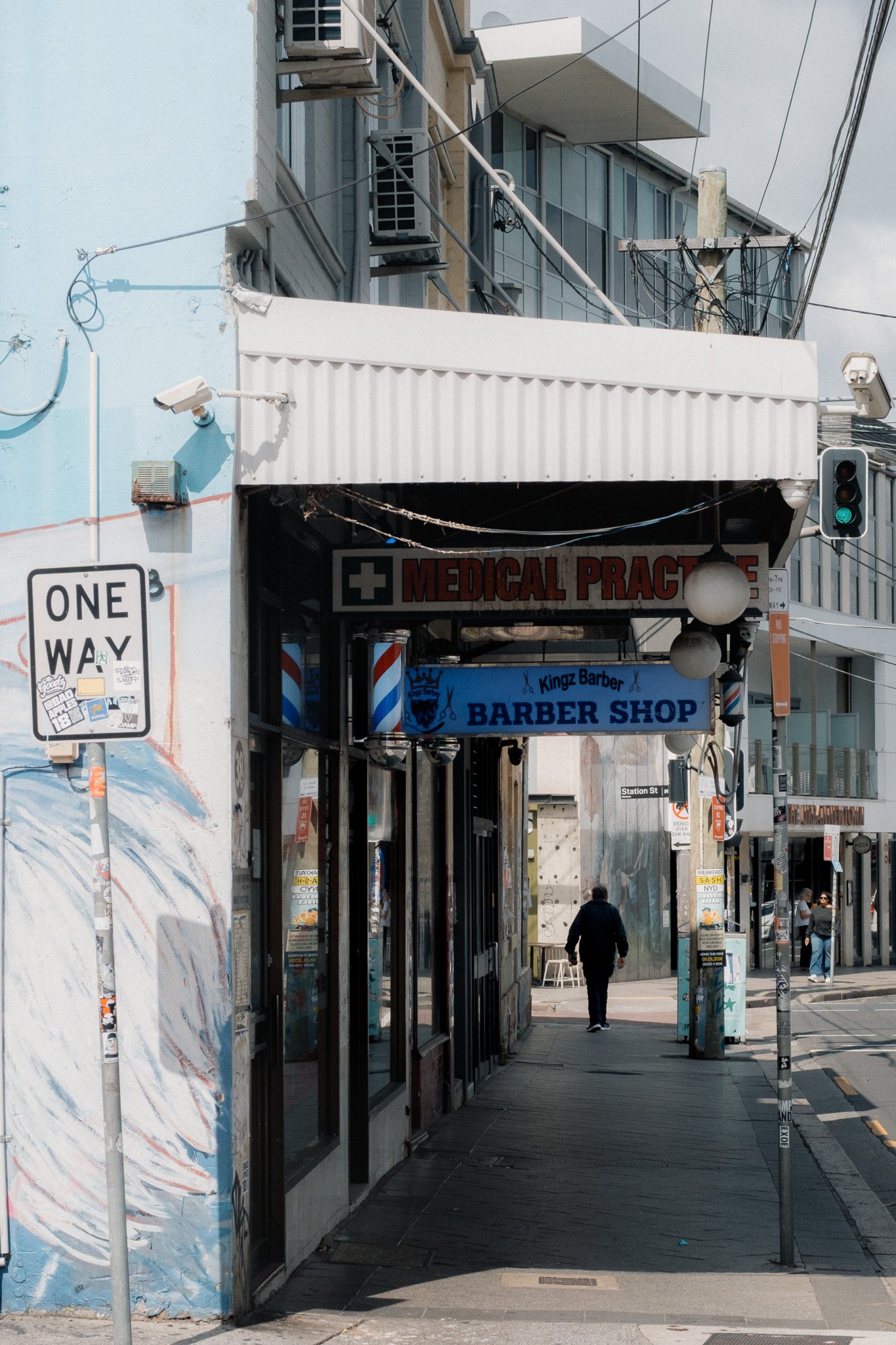
When Your Style Becomes a Cage
Online, it’s stupidly easy to become “a type” of photographer.
-
The street shooter.
-
The moody colour person.
-
The 35mm or Film purist.
Niche helps people find you, sure. It also quietly locks the door behind you.
In real life, you’re allowed to be messy. Neon one week, landscapes the next. No one taps you on the shoulder and says, “Uh, this isn’t very you.”
Online? Deviating can feel scary.
-
Will this confuse my audience?
-
Is this too different from my usual look?
-
Will this trash the grid?
When your style hardens into identity, experimentation starts to feel like betrayal, not of photography, but of the character you built for the internet.
Your eye evolves. Your work wants to move. But you’re stuck playing the old version of yourself.
The Gravity of Attention
There’s a whole industry built on making you feel almost good enough. New bodies, sharper glass, cleaner ISO. All whispering:
“You’re close. Just buy this and it’ll finally feel right.”
Gear is fun. It can help. But it doesn’t fix that hollow feeling after a post “does well” and still feels off.
Because the issue isn’t resolution. It’s attention. Are you paying attention to the scene in front of you or to the imaginary reaction later?
One is photography. The other is marketing.
Both have their place. But if you blur them all the time, you never fully land in either.
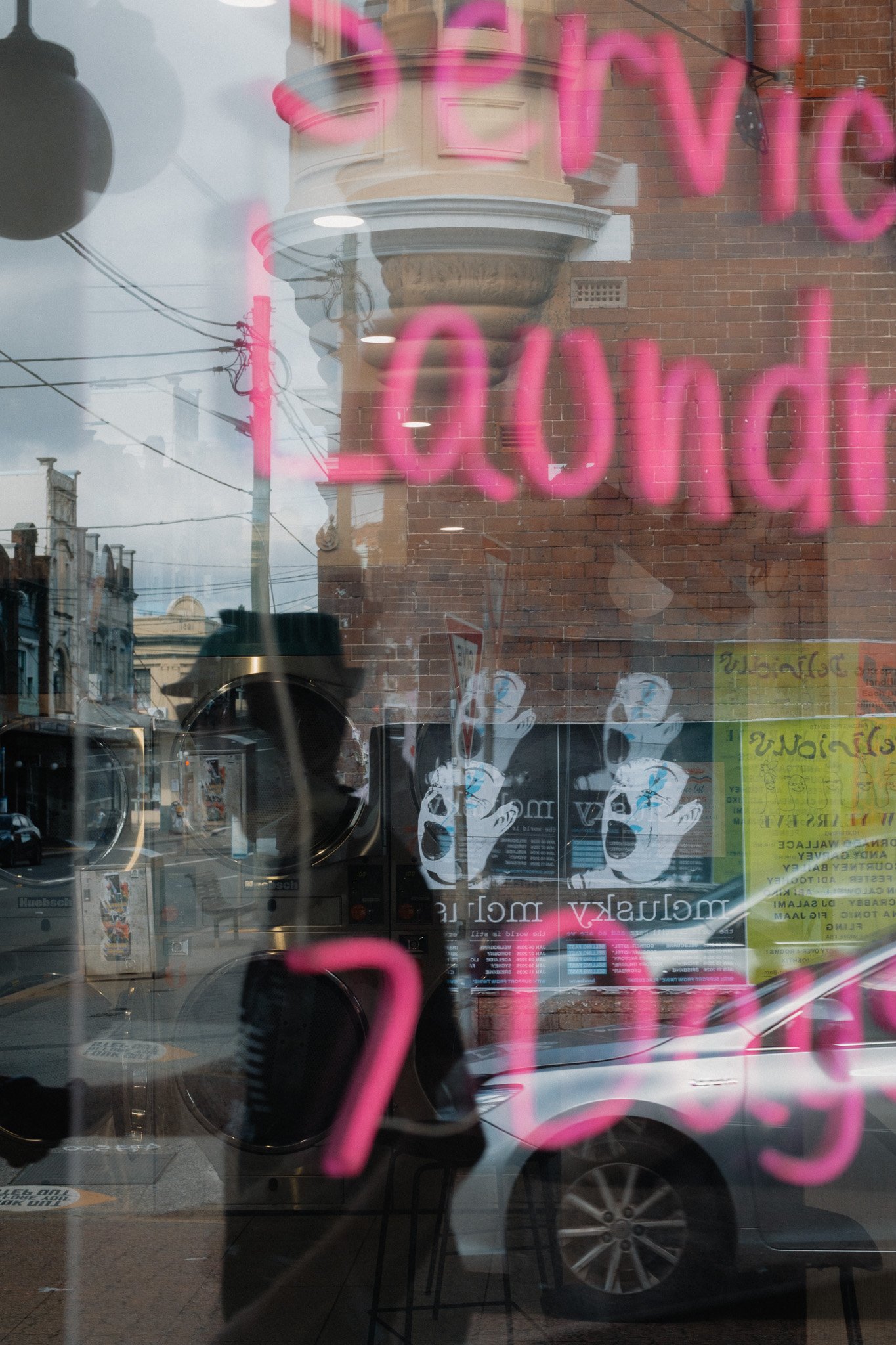
Practical Guardrails for Presence
You don’t have to disappear. You just need a few guardrails so the moment has a chance.
1. Set an intention
Before the camera leaves the bag, quietly name what you’re chasing:
-
Light on faces
-
How people move through a space
-
Reflections, colour, geometry
Give your brain a simple job. It’s harder to spiral into “Will this get likes?” when it’s busy hunting leading lines.
2. Two passes
First pass: walk with the camera off or in your bag. Just look. Listen. Notice.
Second pass: bring the camera into that awareness.
Presence first. Capture second.
It sounds small, but it changes the feel of the photos.
3. Keep a private portfolio
Run a project, a folder, or even a whole year of work that never touches social.
Edit slowly. Sit on sequences. Let time be part of the process.
Some images might surface later. Most won’t. They still did their job: they changed how you see.
4. Track rituals, not metrics
Instead of: “That post only got 120 likes.”
Try tracking:
-
“I went shooting three evenings this week.”
-
“I sequenced 12 frames into a mini story.”
Let progress live in your practice.
5. Constraint days
Force attention with rules:
-
One focal length only.
-
One hour to shoot, then you’re done.
-
No chimping, trust the moment, review later.
Constraints kill decision fatigue. Less “What should I do?” and more “This is all I’ve got, so I’d better really look.”
Sharing Without Performing
Sharing isn’t the enemy. It’s how a lot of us find “our people.” The shift is in how you share.
-
Write captions about what you felt or learned, not how “epic” it was.
-
Share process: near misses, the frame before and after “the one.”
-
Treat posts like pages in a visual diary, not ads for your brand.
When the goal is honesty, not applause, the pressure drops.
Let the Paradox Point the Way
This paradox isn’t something you solve and forget. It should be more like a warning light. Every time you feel that pull away from the present! Use that as a compass.
Go back to the street. Back to the trail. Back to the light hitting your morning coffee.
Let the moment land first. Let the photograph come second.