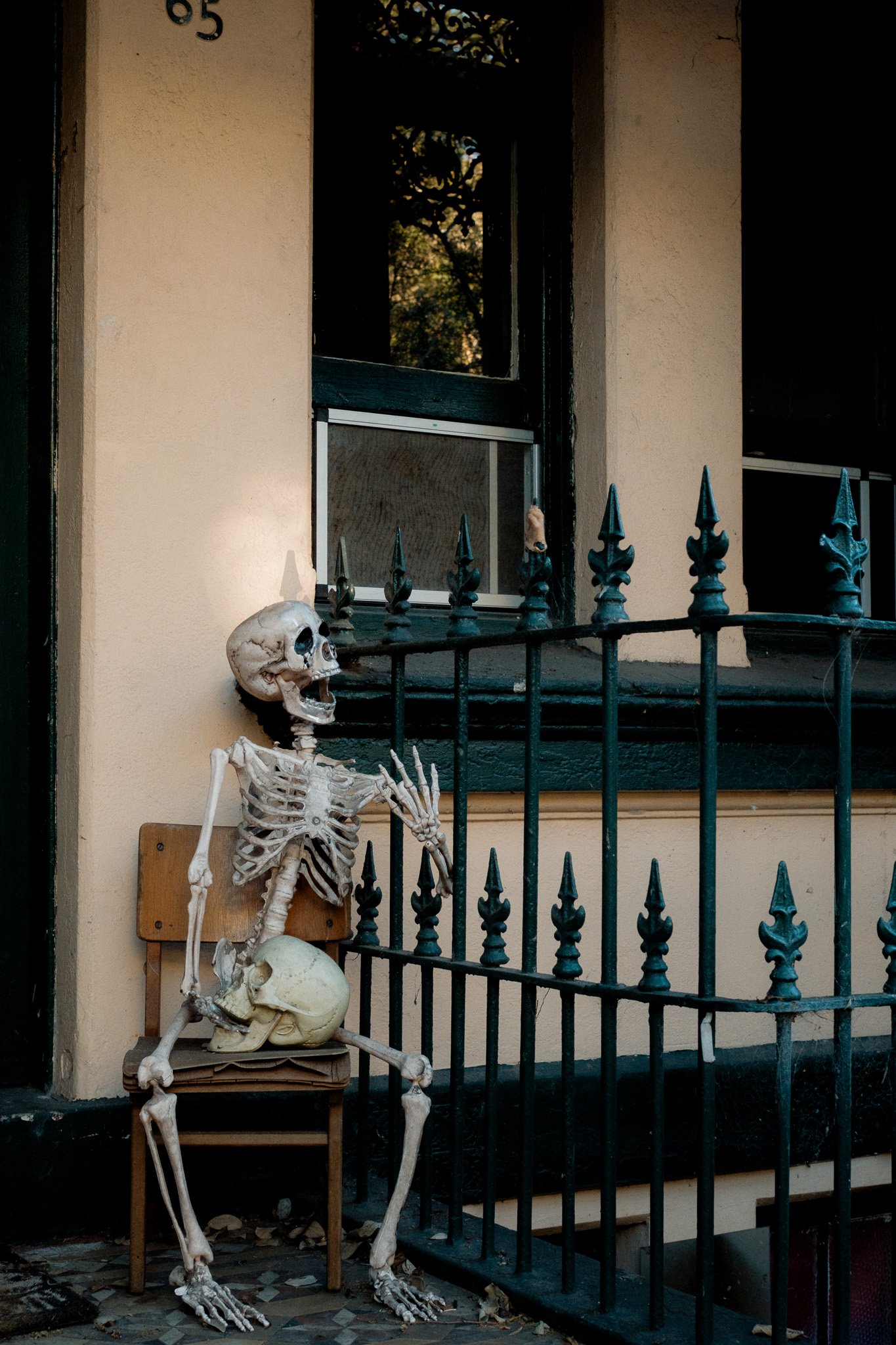
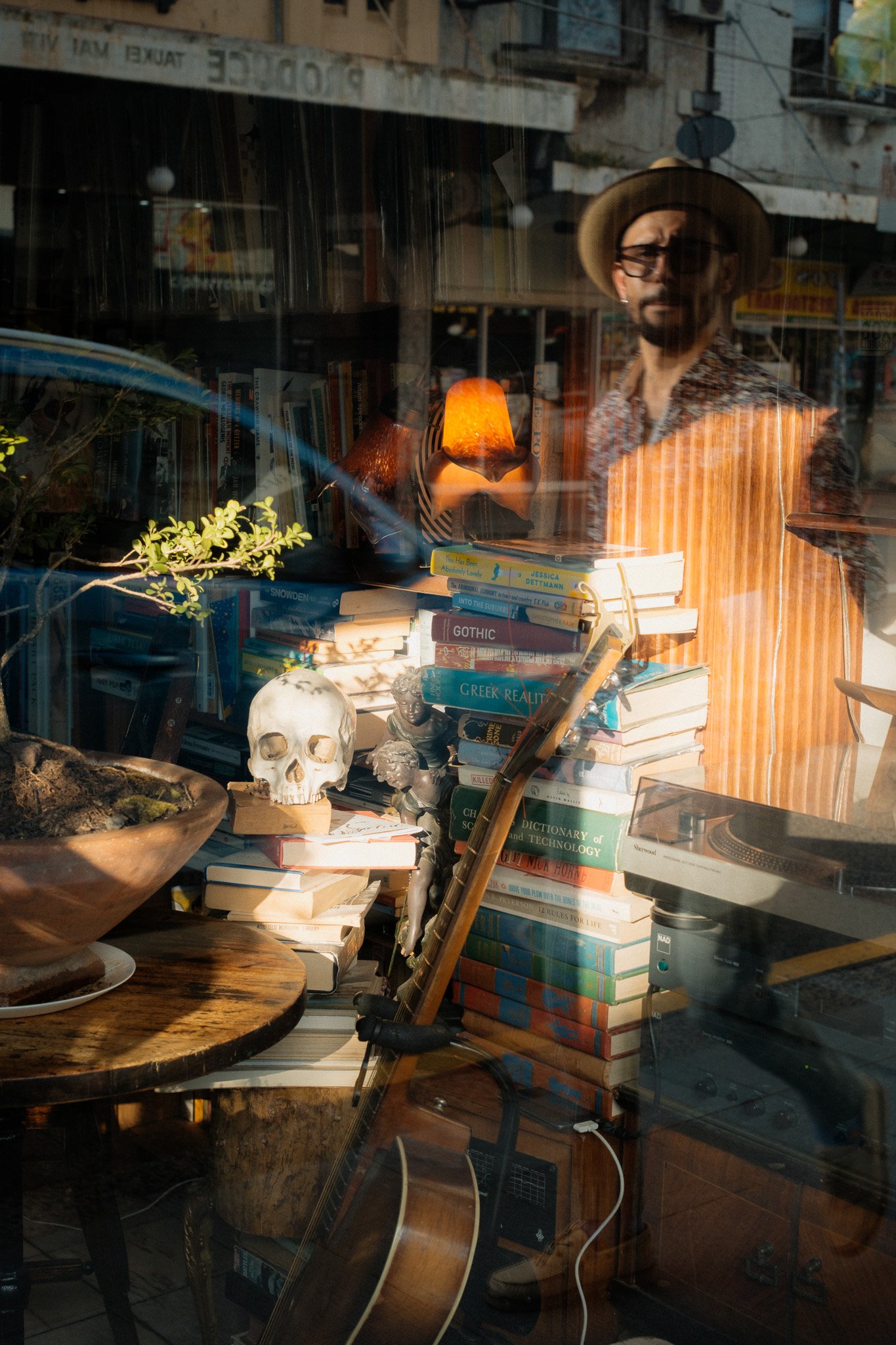
I've been trying to figure out how to explain what the 50mm actually does without it turning into a specs conversation.
Pick up a 50mm after shooting on your phone and your first thought is probably: something is wrong. Too tight. The scene you wanted is cut off at the edges. You move back. Still not right. You move back more.
Most of us see the world wide. Cause we get used to our phone camera which is roughly at 24mm, a kit zoom at its widest, even just the way you naturally sweep a room or a street. Wide. Everything fits. So when you switch to a 50mm for the first time, it sort of feels like looking through someone else's glasses. Nothing sits where you expect it to.
That discomfort is the whole lesson. I just didn't know it at the time.
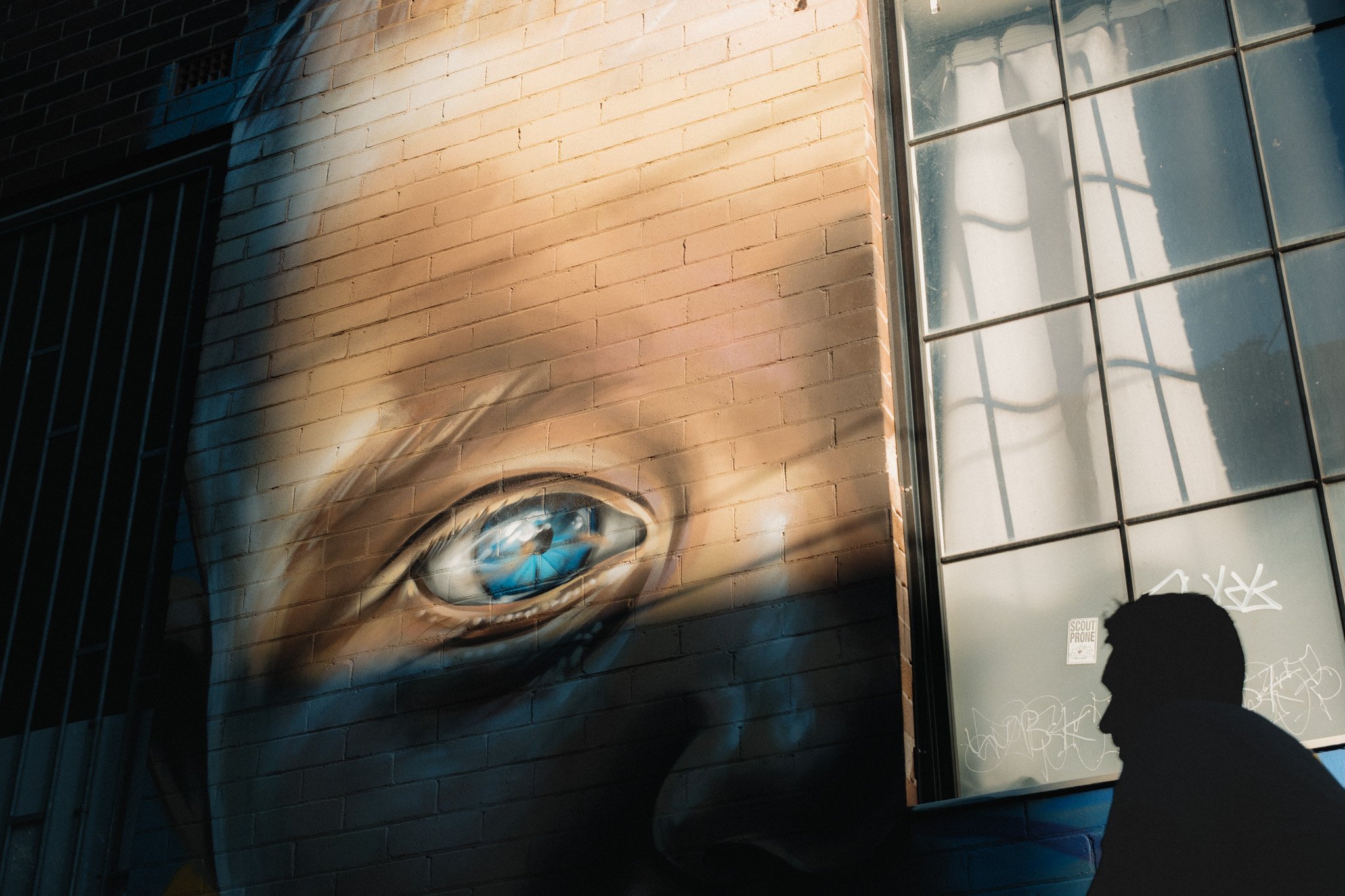
The Lens That Won't Let You Be Lazy
A wide lens lets you be vague. Sweep the whole scene in. Include everything. Trust that something lands. You can kind of get away with sloppy composition because there's so much going on that nobody notices.
The 50mm doesn't let you do that.
Everything in the frame has to be there for a reason. If you can't justify why something's in the shot, it sticks out. There's nowhere to hide. And that, weirdly, is what makes it one of the best lenses to learn on.
I think about it like this. Show someone a cluttered, busy frame and they scroll past it. They don't know why, they just do. Strip it down to one clear thing with a reason to exist and suddenly it's a story. Not just for photographers. For anyone. That's what the 50mm sort of forces you to find.
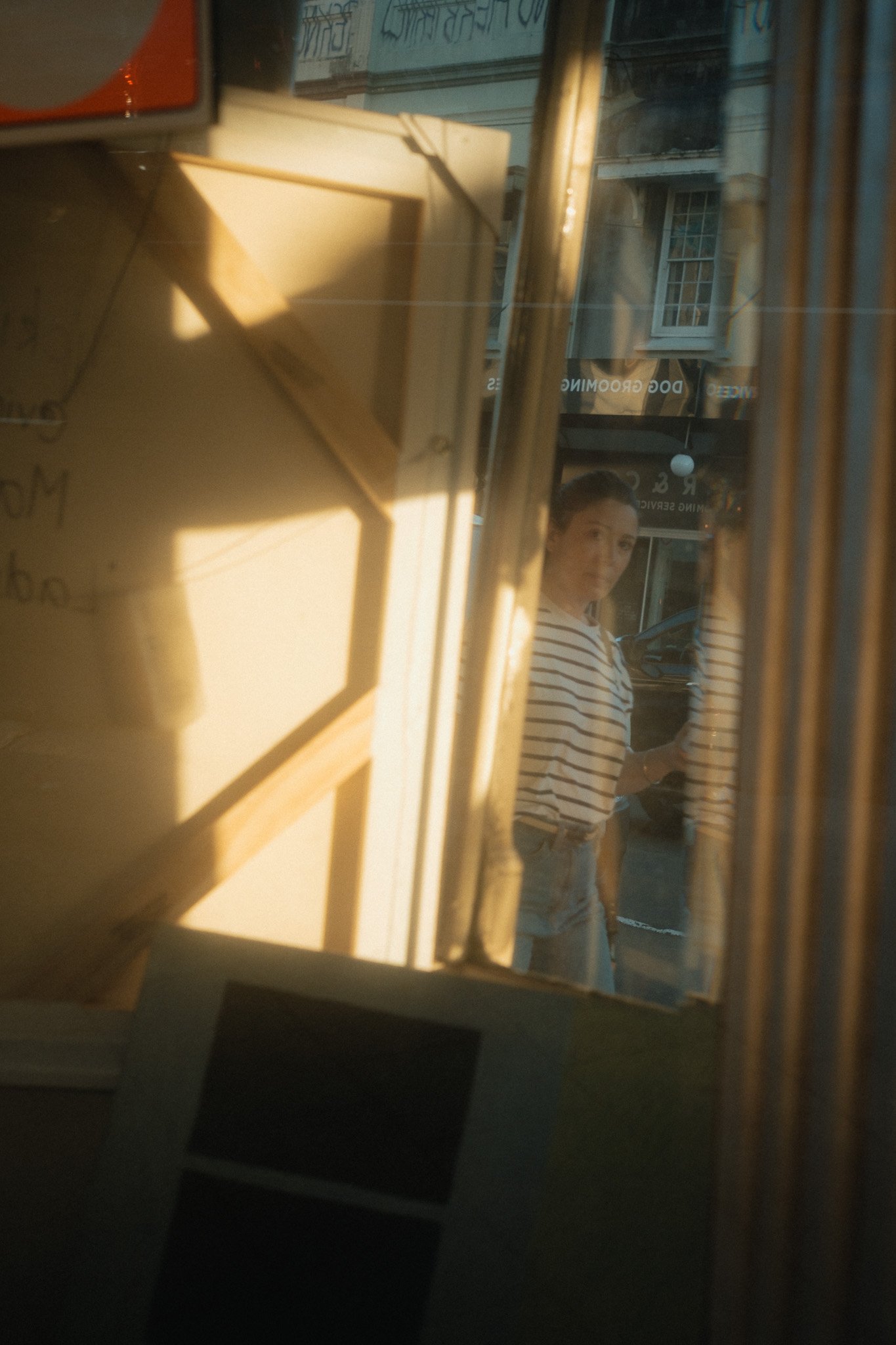
I keep coming back to this idea that focal length is really about where you put the viewer.
Your phone at 24mm? You're in it. The viewer is part of the scene, almost inside it. Everything feels immediate. A little chaotic sometimes. That's the energy and honestly it works for a lot of situations.
The 50mm is about 10 steps back. Still present, still connected, but now the viewer is watching rather than being dropped into the middle of things. It's quieter. The subject gets to exist without the scene swallowing it whole.
That's why this is the focal length I reach for when I actually want a subject to be the point of the image. The slight distance gives them room. They're not fighting for attention with everything else in the frame. They just... are.
It's a combination of both presence and distance at the same time. And I think that's what makes it feel so natural.
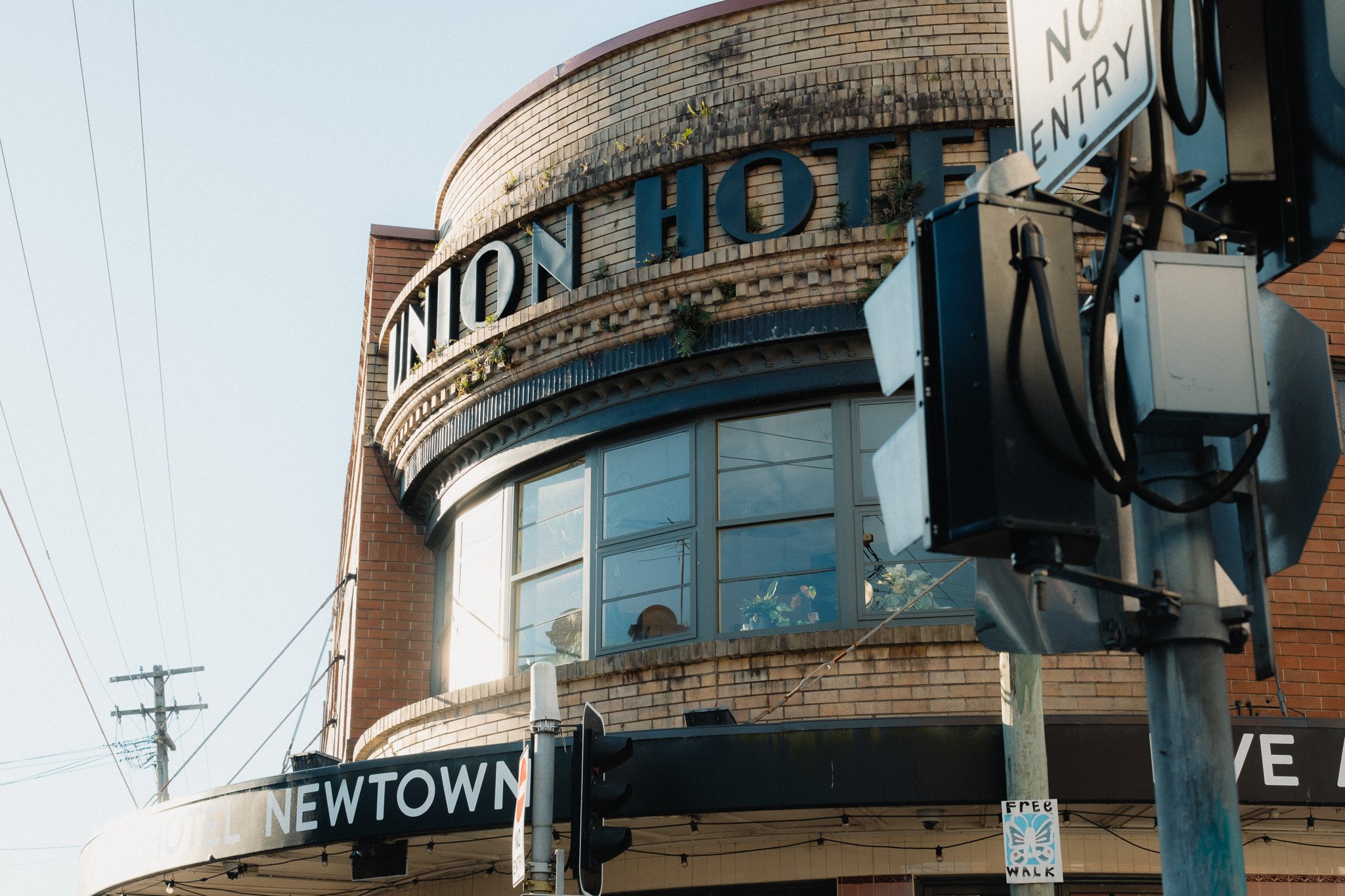
Newtown with a 50mm
I gave myself a full day in Newtown with the 50mm. No specific rule, just a openness to see things a bit differently.
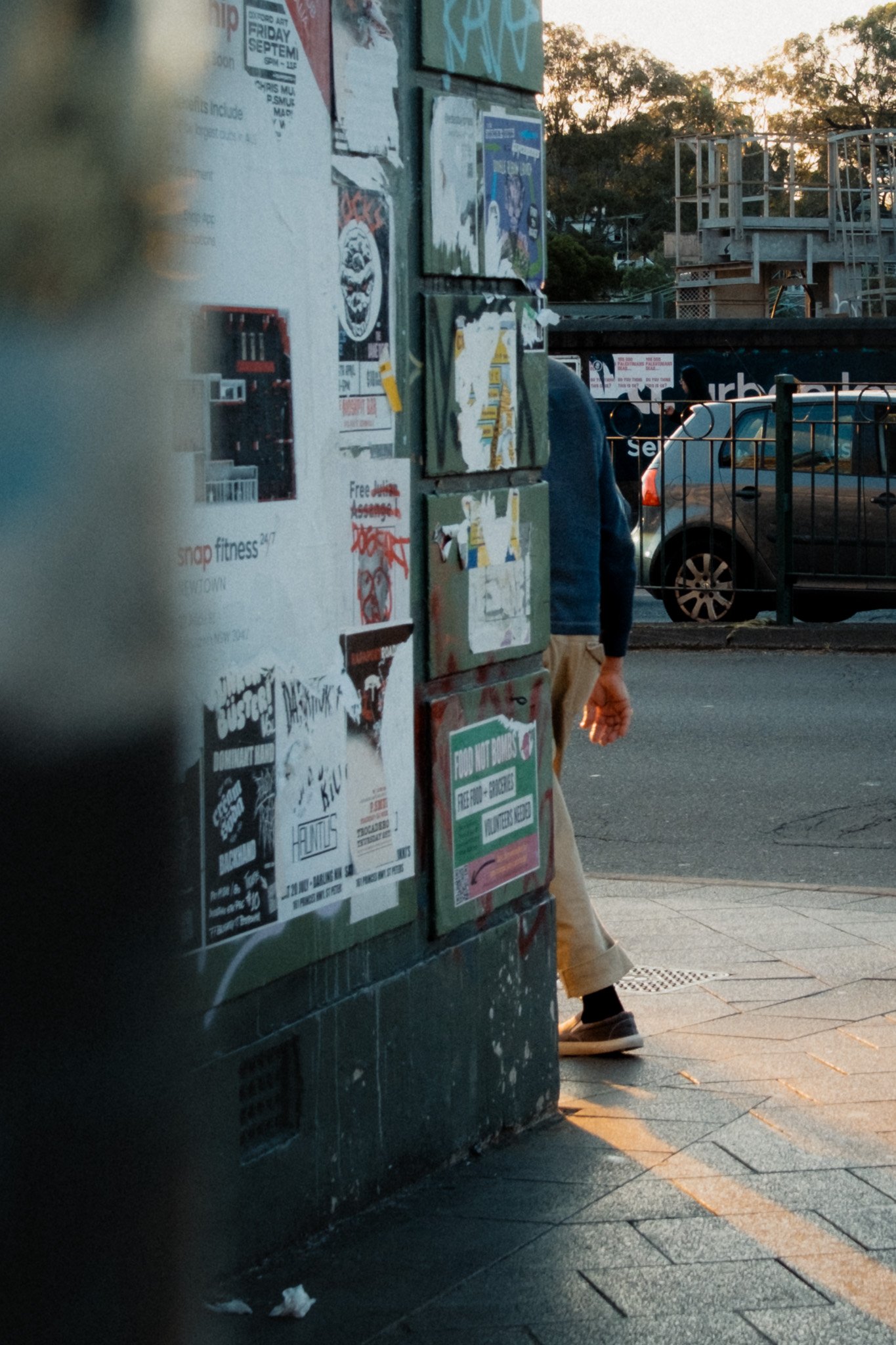
The first hour was slow. I walked past shots I would have grabbed with a wider focal length. Impressionistic, a bit chaotic, kind of interesting. Kept walking. Then I started noticing smaller things. Light hitting the side of a building for about twenty seconds before it was gone. A bike against a wall with a shadow that said more about the street than any wide scene would. A face in a doorway.
The 50mm had made me patient. Not because I decided to be. Because there was nothing else to do.
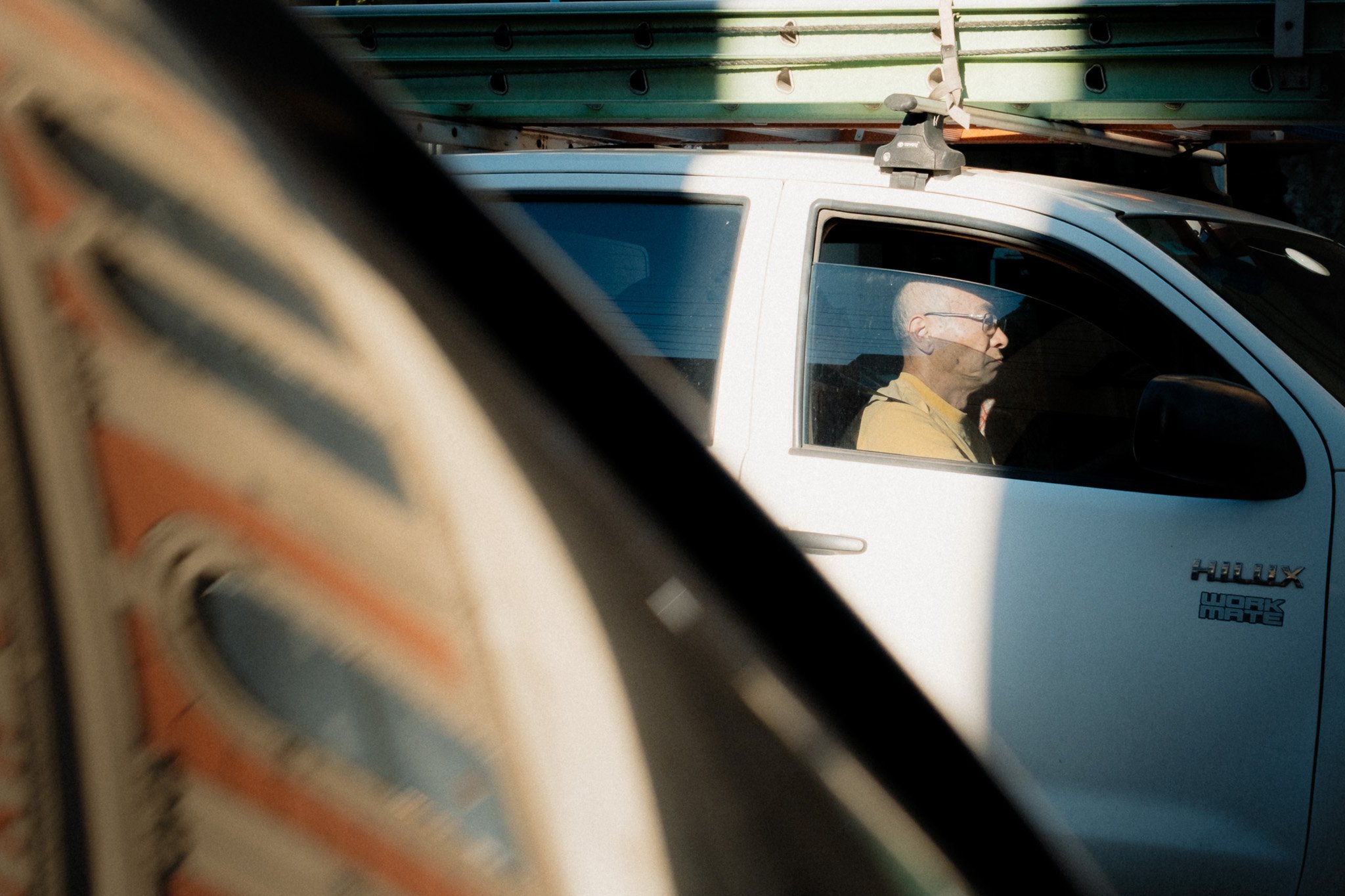
You can't fake your way to a composition with this focal length. You wait until the scene gives you something real, or you go home with nothing. That pressure is genuinely the best thing that ever happened to my shooting. It forces you to actually look instead of just capturing.
I still do this whenever my work starts feeling scattered. A day with one focal length resets your eye faster than any tutorial or YouTube video ever will.
Slicing It Up
This is the thing that not just the 50mm but prime lenses in general taught me, and it sort of changed the way I approach every shoot now.
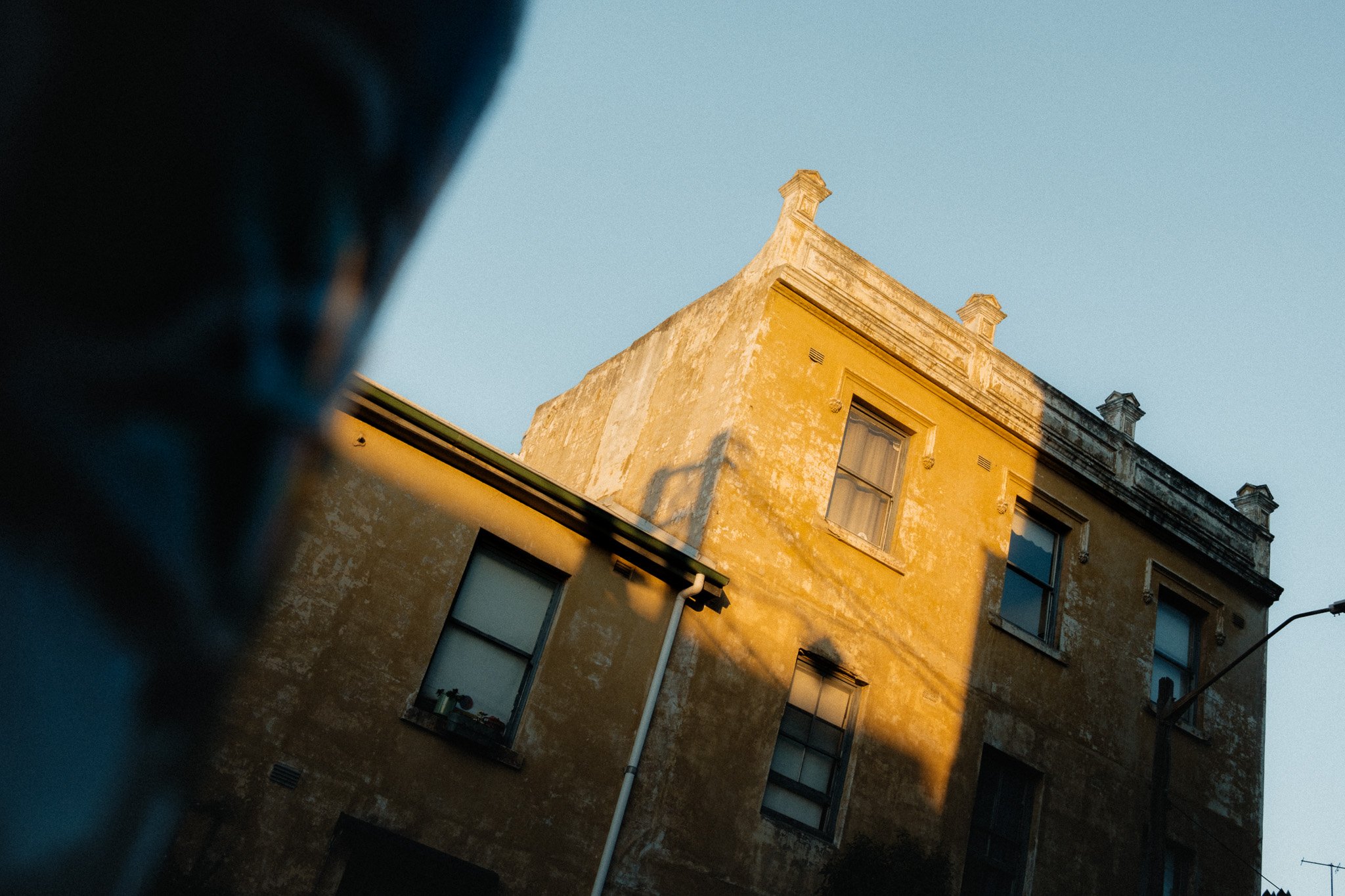
You find a scene. And instead of trying to capture the whole thing in one frame, you slice it up. You move around. Find new angles. Work the scene from different distances and perspectives. What you end up with isn't one image trying to do everything. It's three or four images that together tell a story no single frame ever could.
I think of it as a kind of cheat code for storytelling in photography.
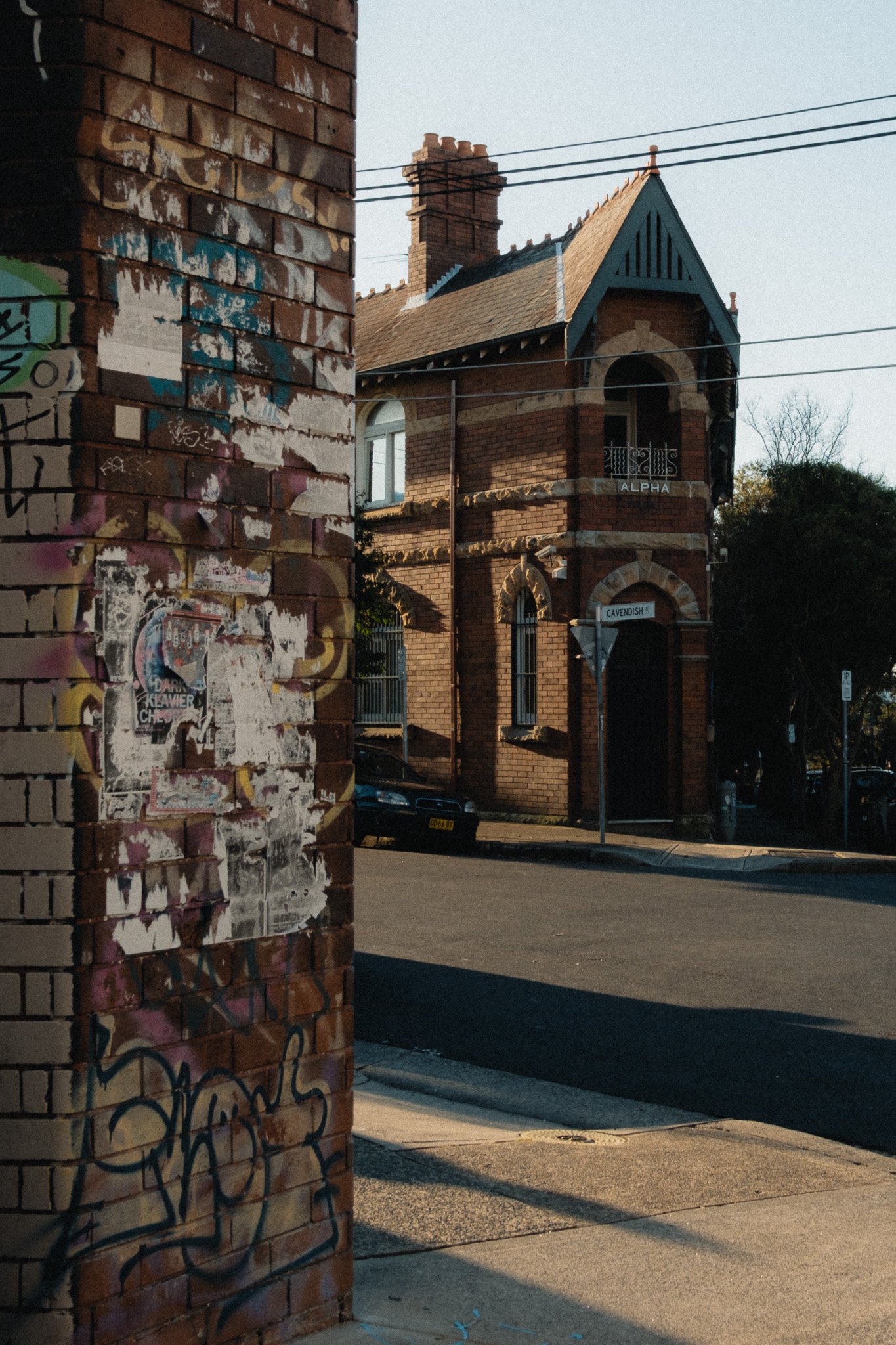
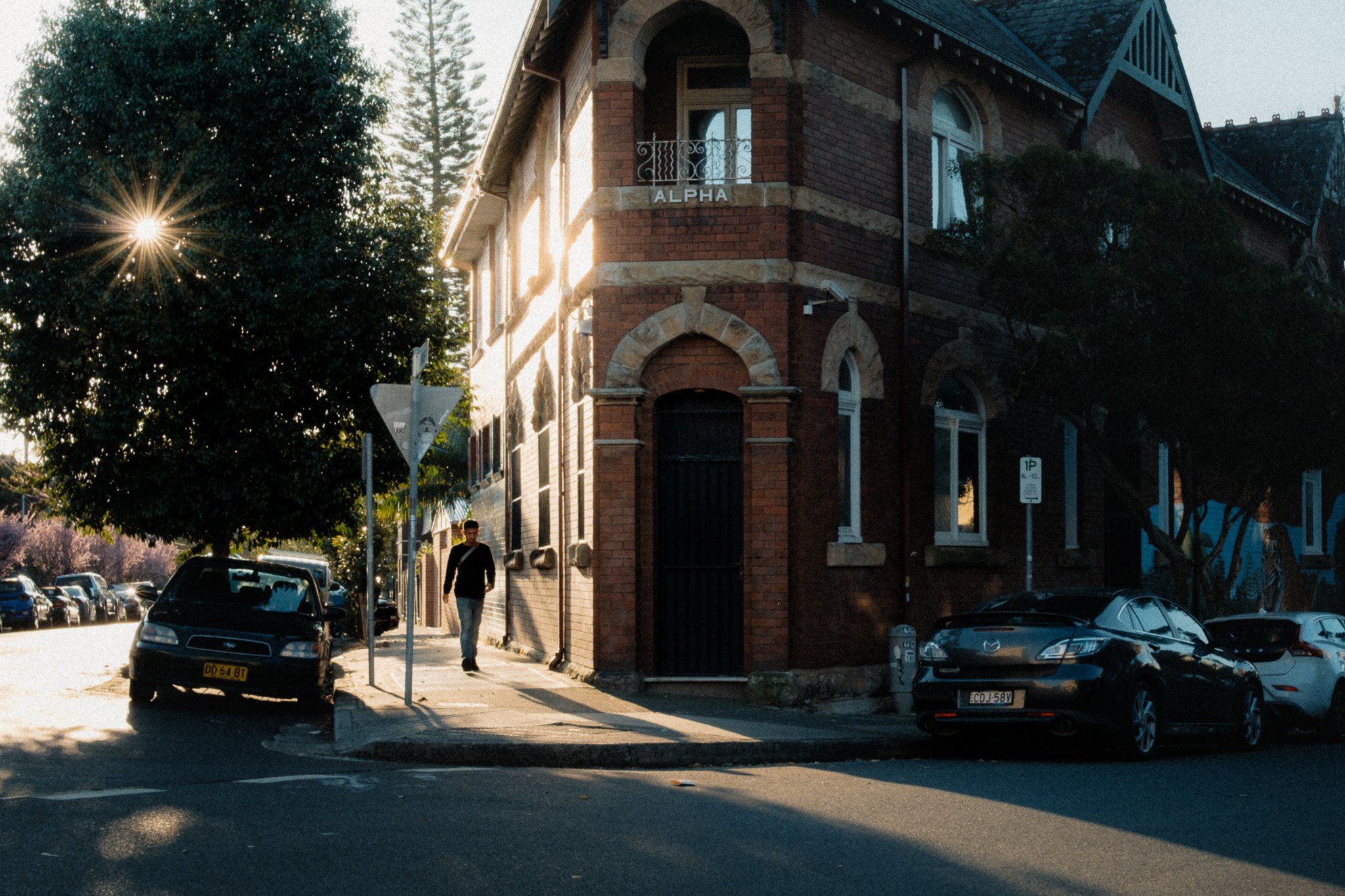
Picture this. You arrive in a new city. Start wide. Let us see the environment. Where are you? What does this place feel like from a distance? Set the scene.
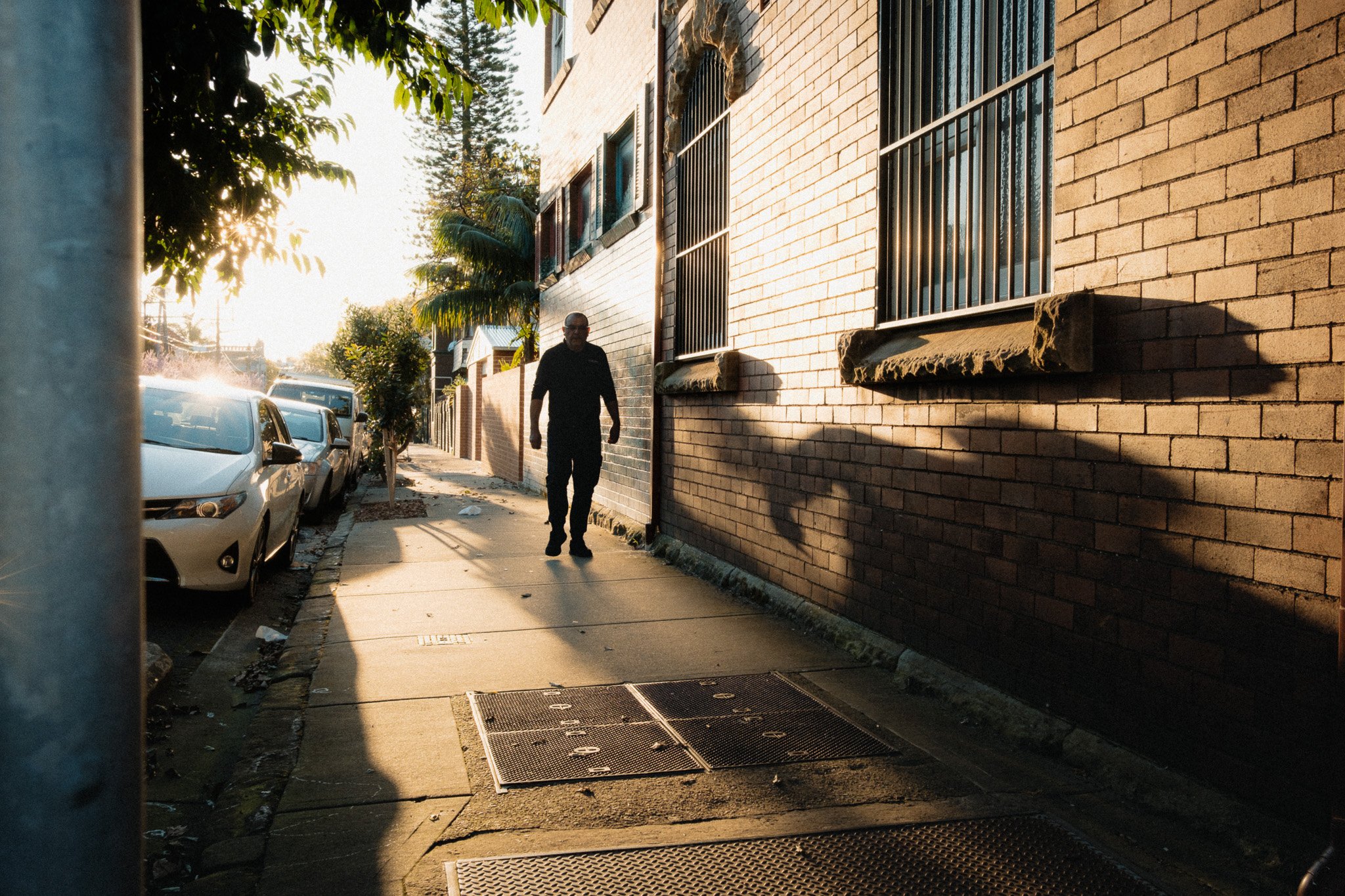
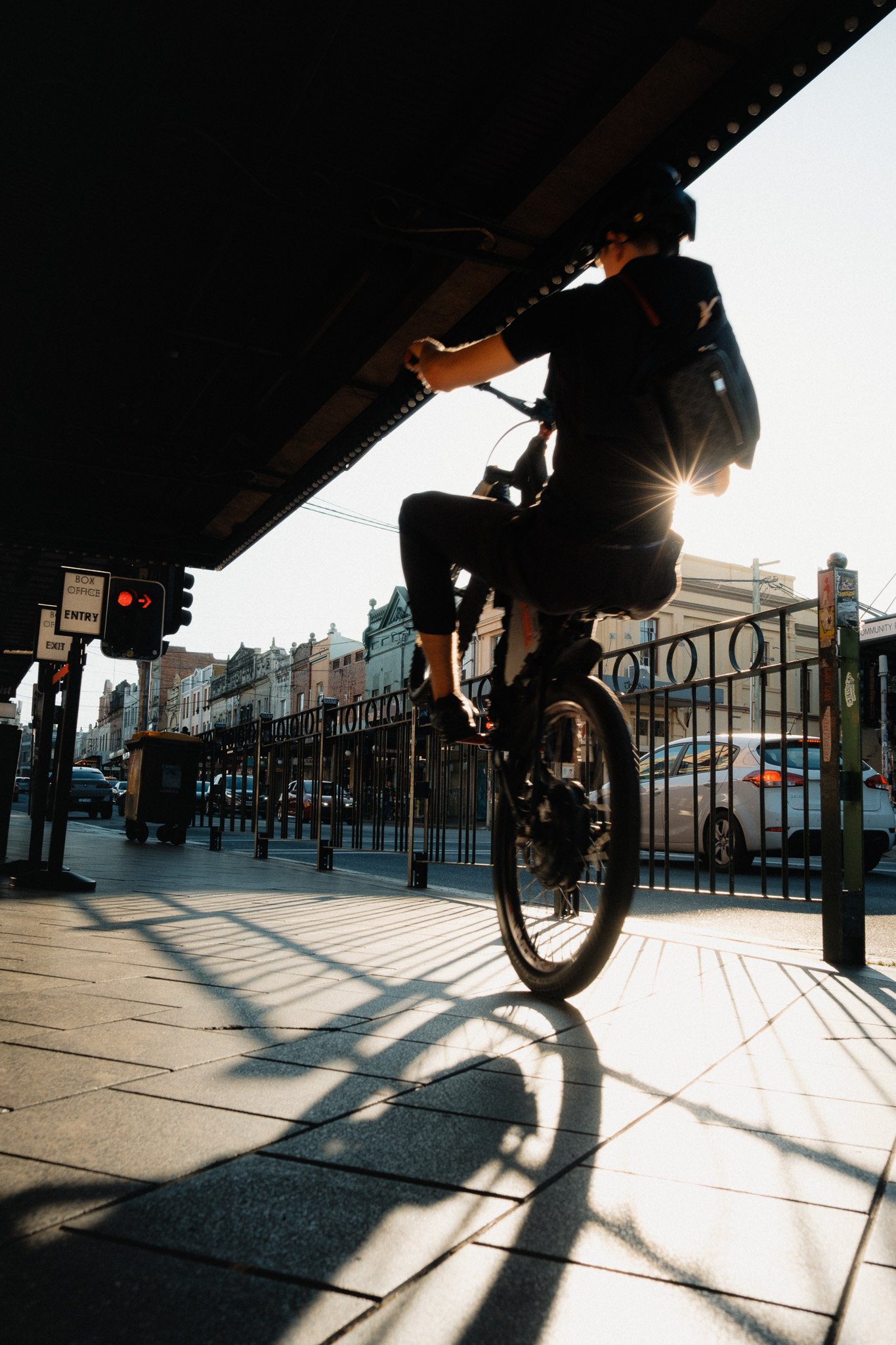
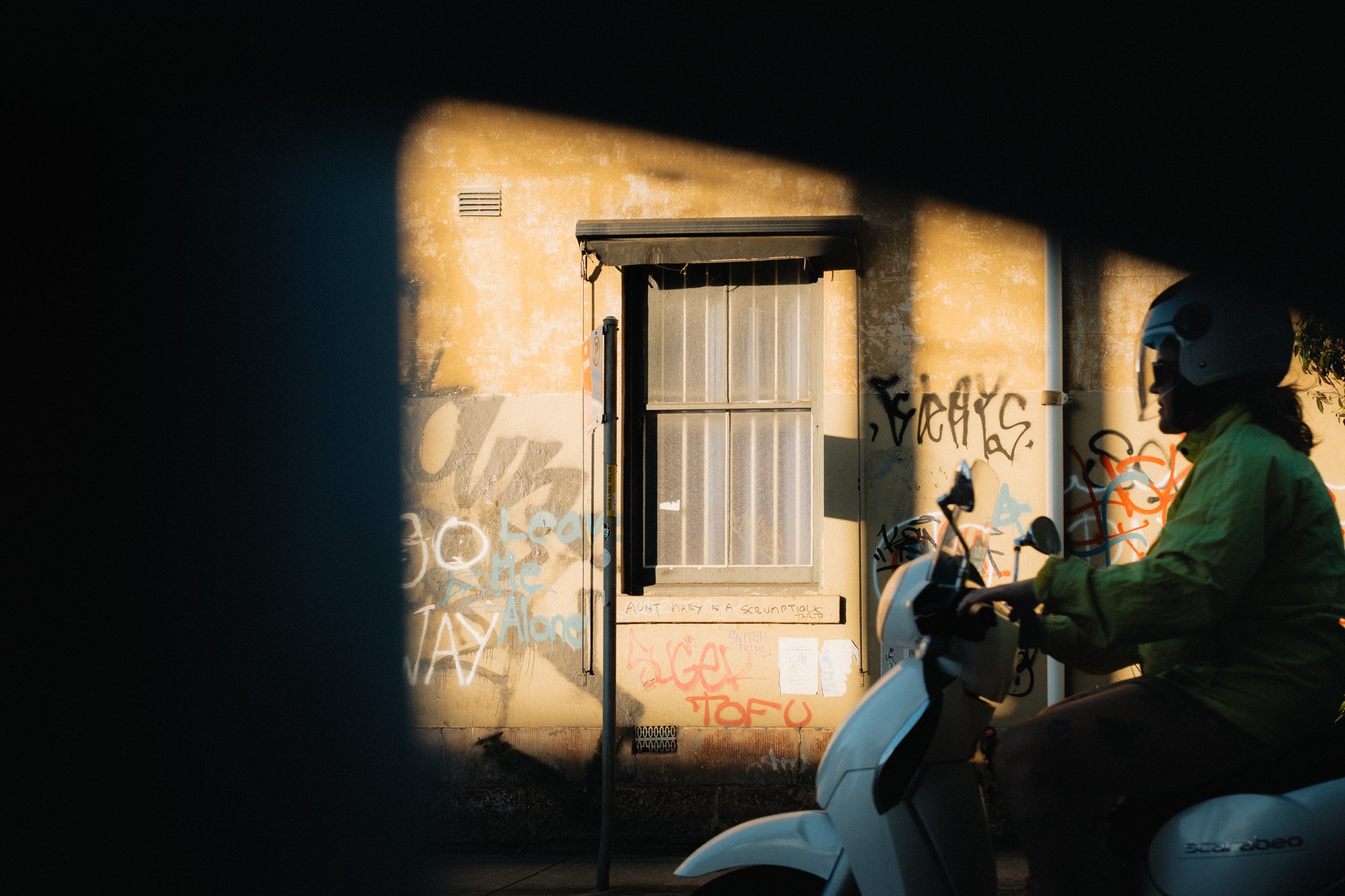
Now introduce a character. A person, a silhouette, an animal. Anything that gives the scene a sense of presence. Who is there?
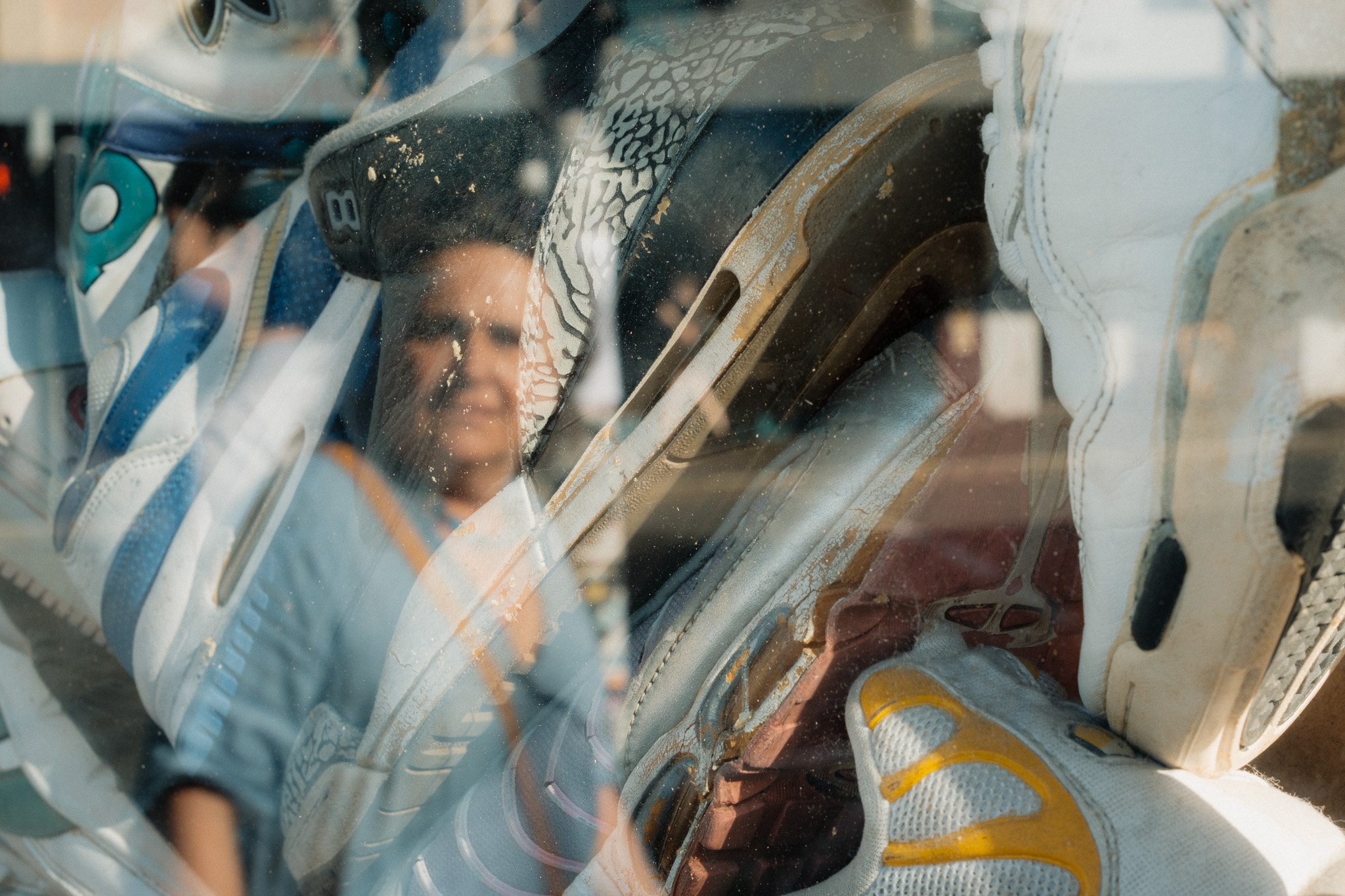
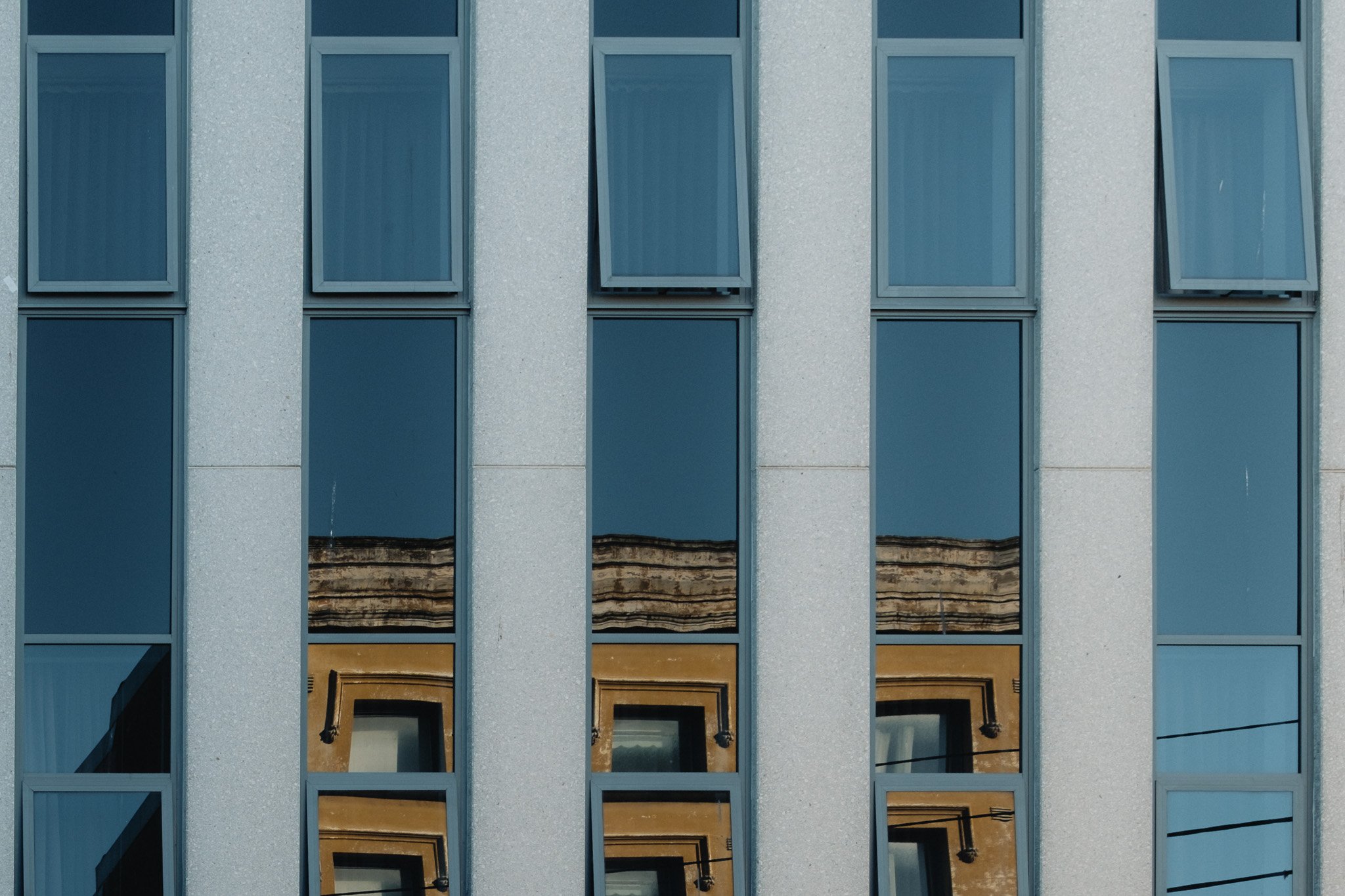
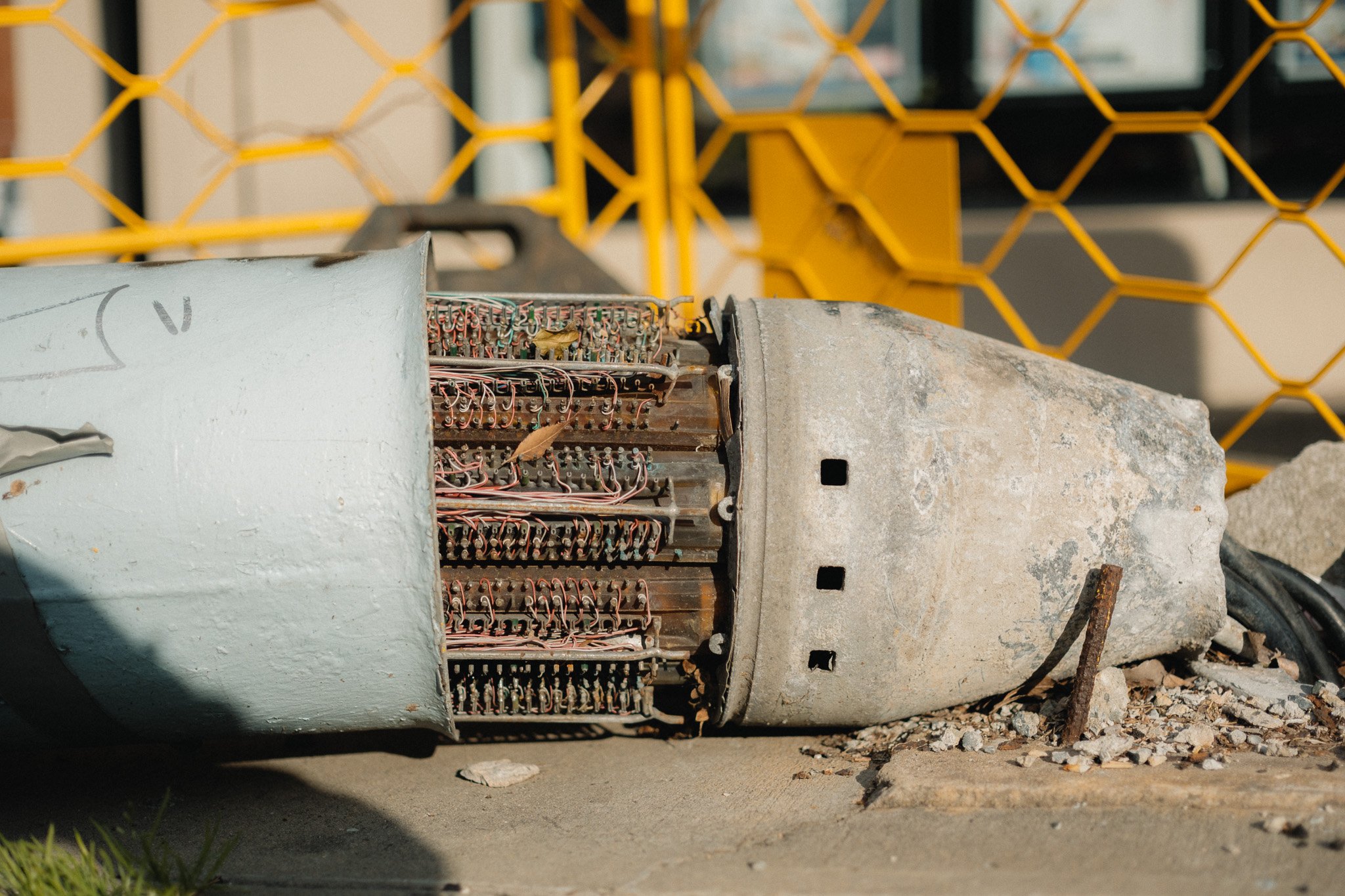
And then my favourite part. Capture a detail. Look closer. Find something small but specific. Something you noticed that most people would walk past. A cracked window. A takeaway coffee cup left on a ledge. Someone's hands. What stands out?
Wide, presence, detail. Three frames. That's a story.
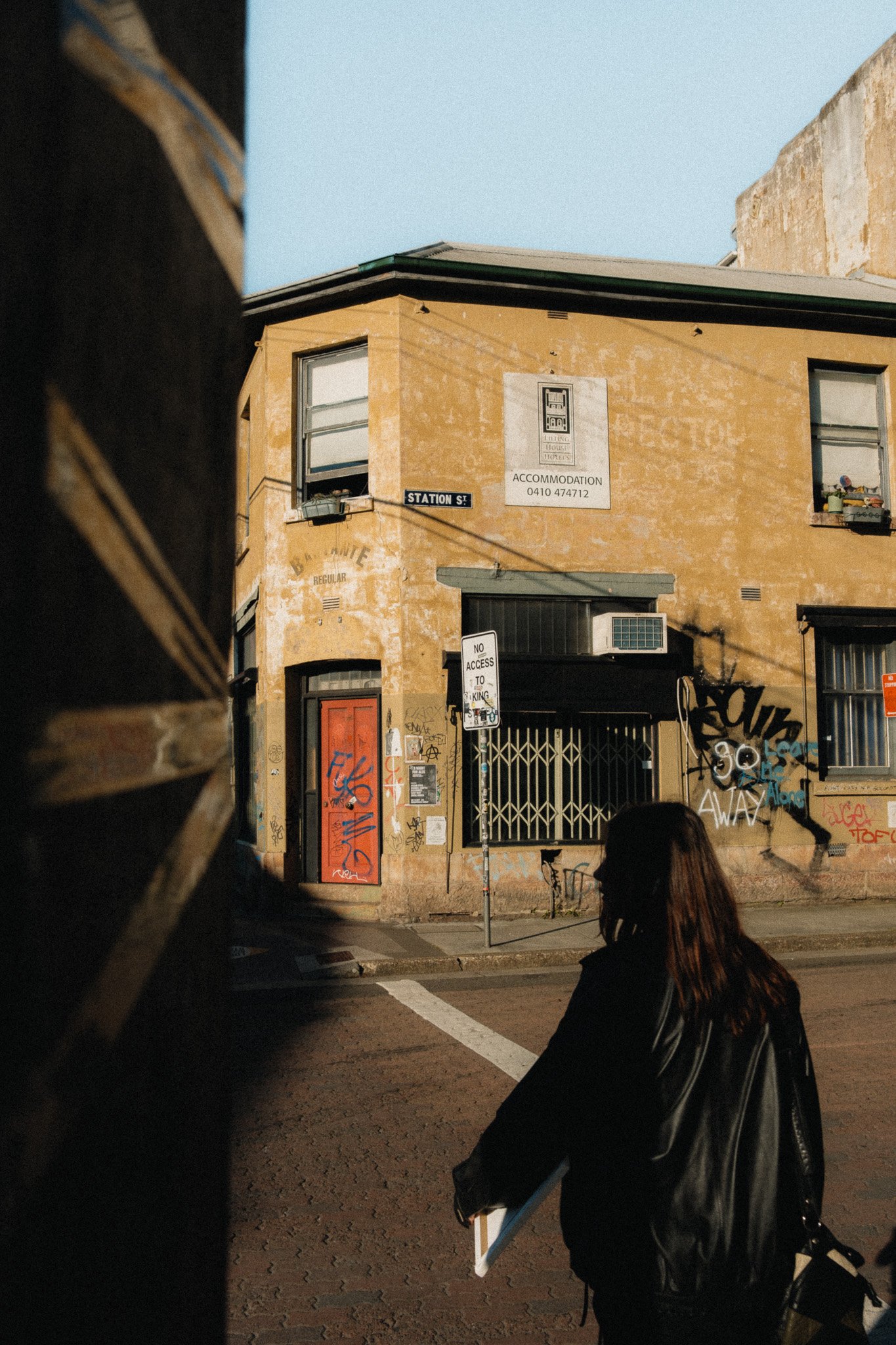
A prime lens forces you into this way of thinking because you physically cannot get everything in one shot. You have to move. You have to decide what matters at each distance. And when you sit down to edit, those three or four images work together in a way that a single wide frame never does.
When the frame feels tight, the instinct is to back up. Try the opposite. Get closer. Then closer again. The story is usually in the details you almost missed.
The 50mm doesn't make you see better.
It takes away the things you've been hiding behind.
And that's sort of the whole point.