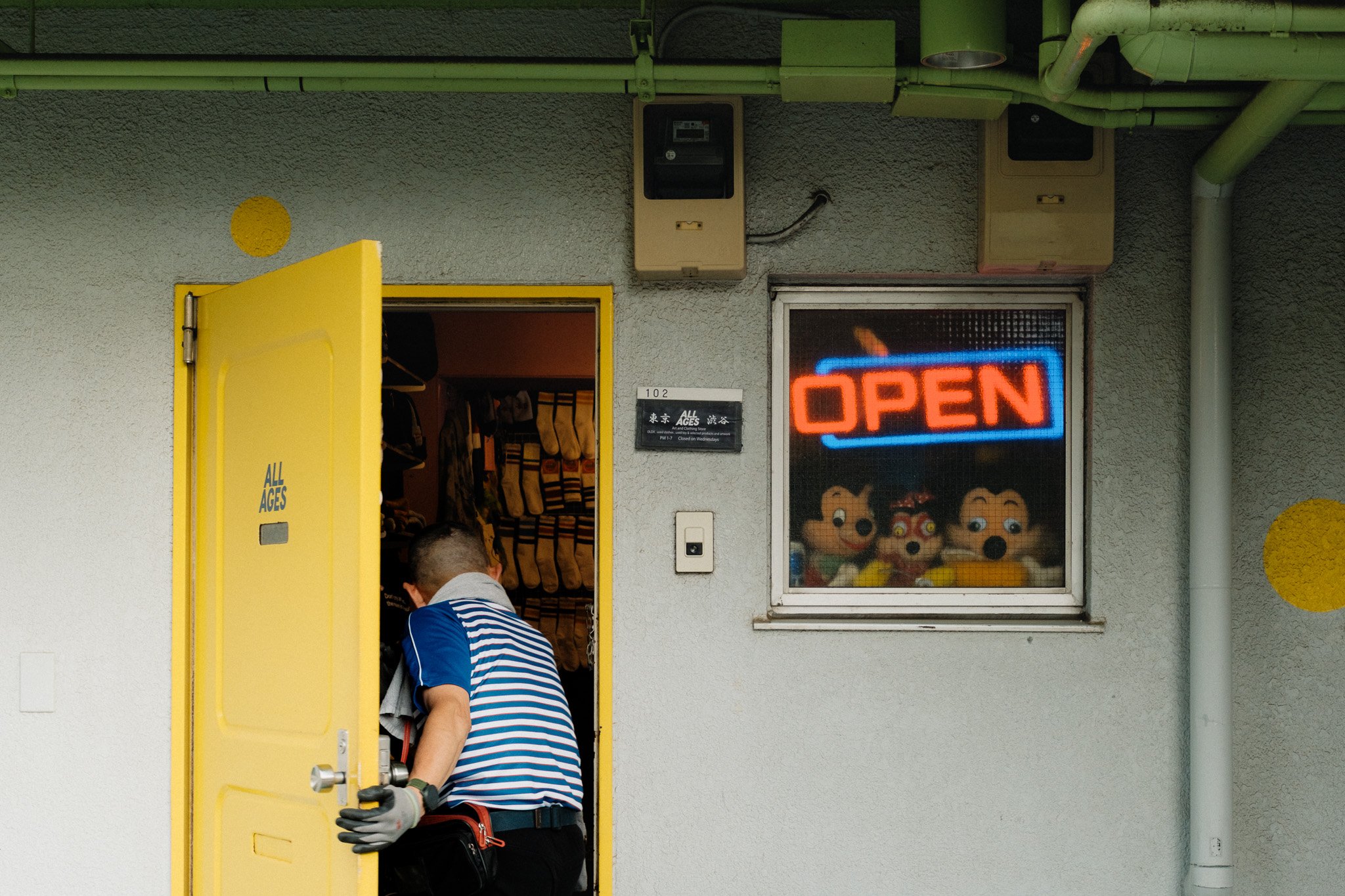
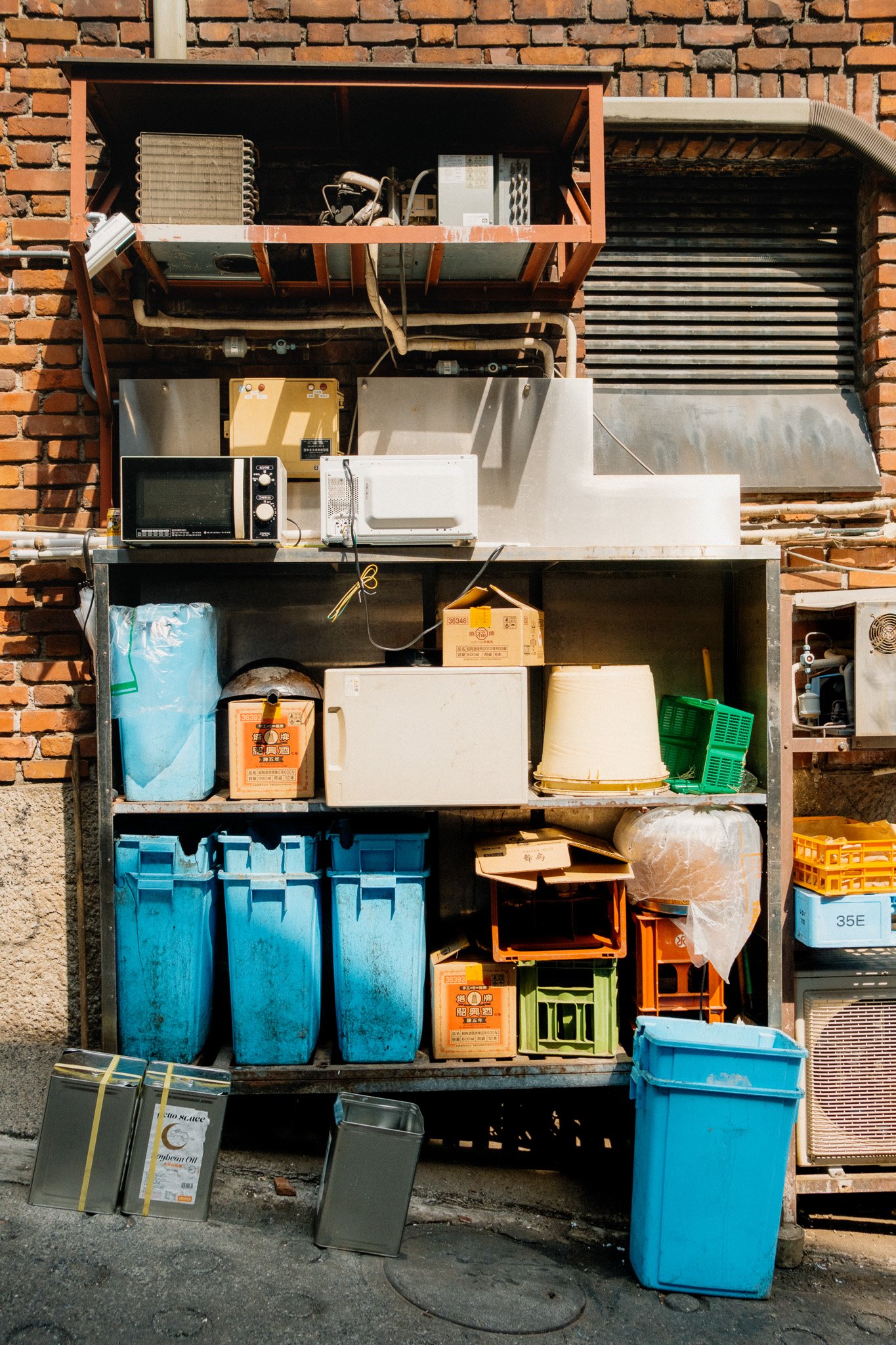
Same chaos, different light
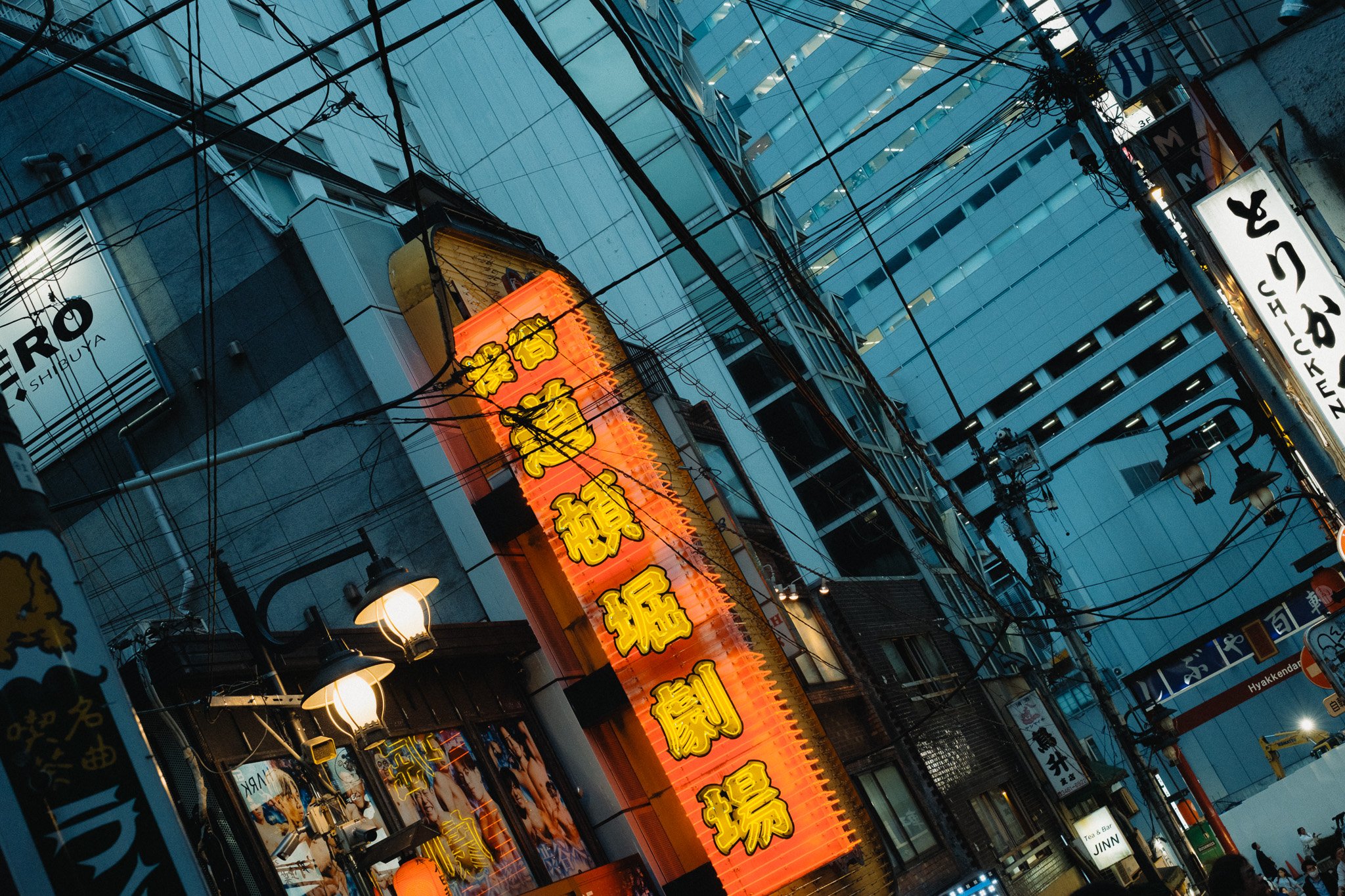
I thought I’d finished with Shibuya. I’d shot the crossing, the signs, the shops, the people moving in every direction at once. Then I went back at night.
Same streets. Different problem. It would be easy to turn this into a neat little day versus night comparison. Day is calm. Night is chaos. Nice and tidy.
Also wrong.
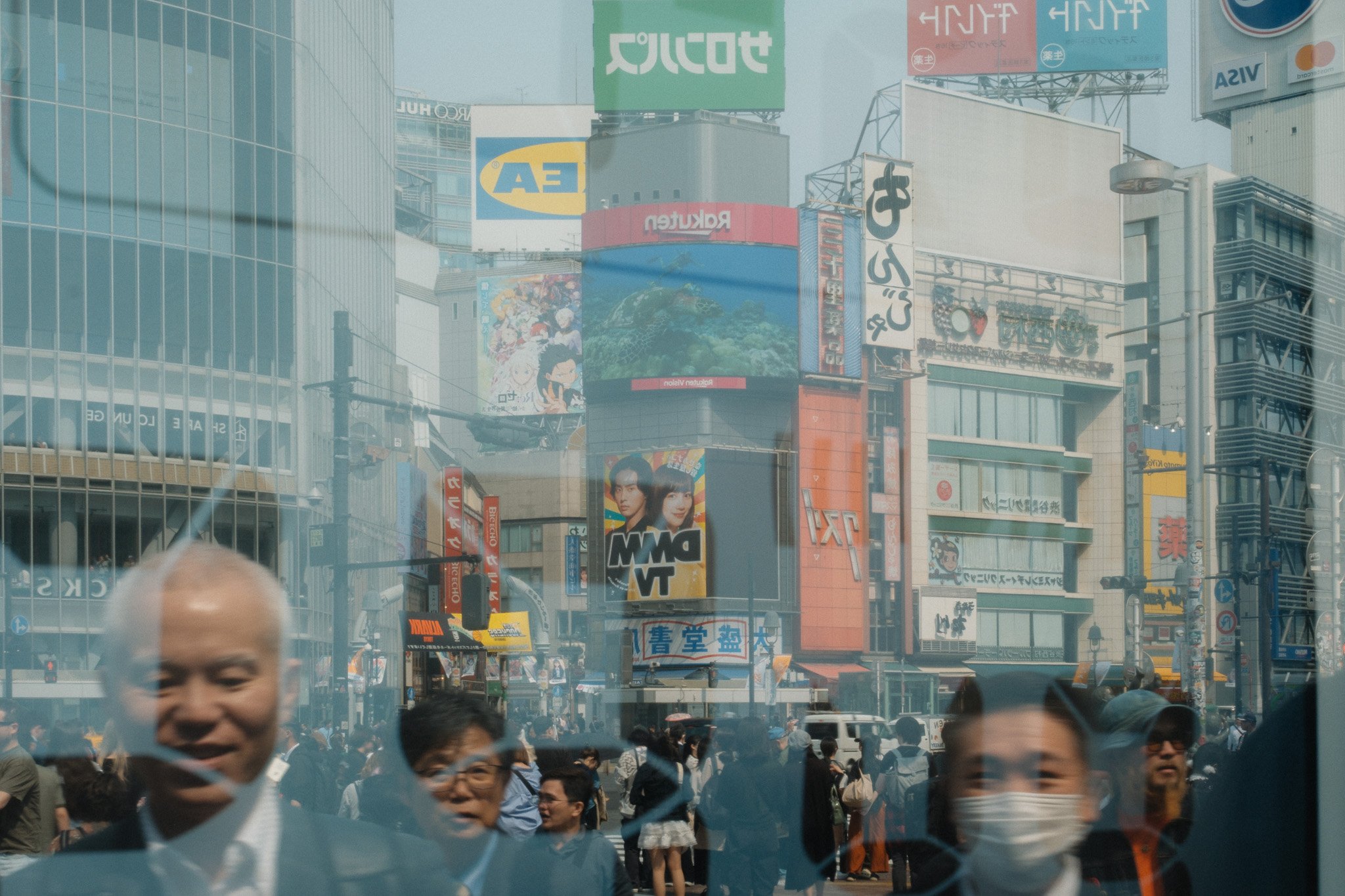
Shibuya doesn’t really do calm. Not in the way a quiet laneway or empty coastline does. Even during the day, there’s still too much going on. People crossing. Screens changing. Buses pulling through. Reflections in windows. Signs stacked over other signs. A shopfront here, a delivery bike there, someone stepping into the frame right as you think you’ve got it.
Day gives you things to separate
During the day, the chaos has… some structure.
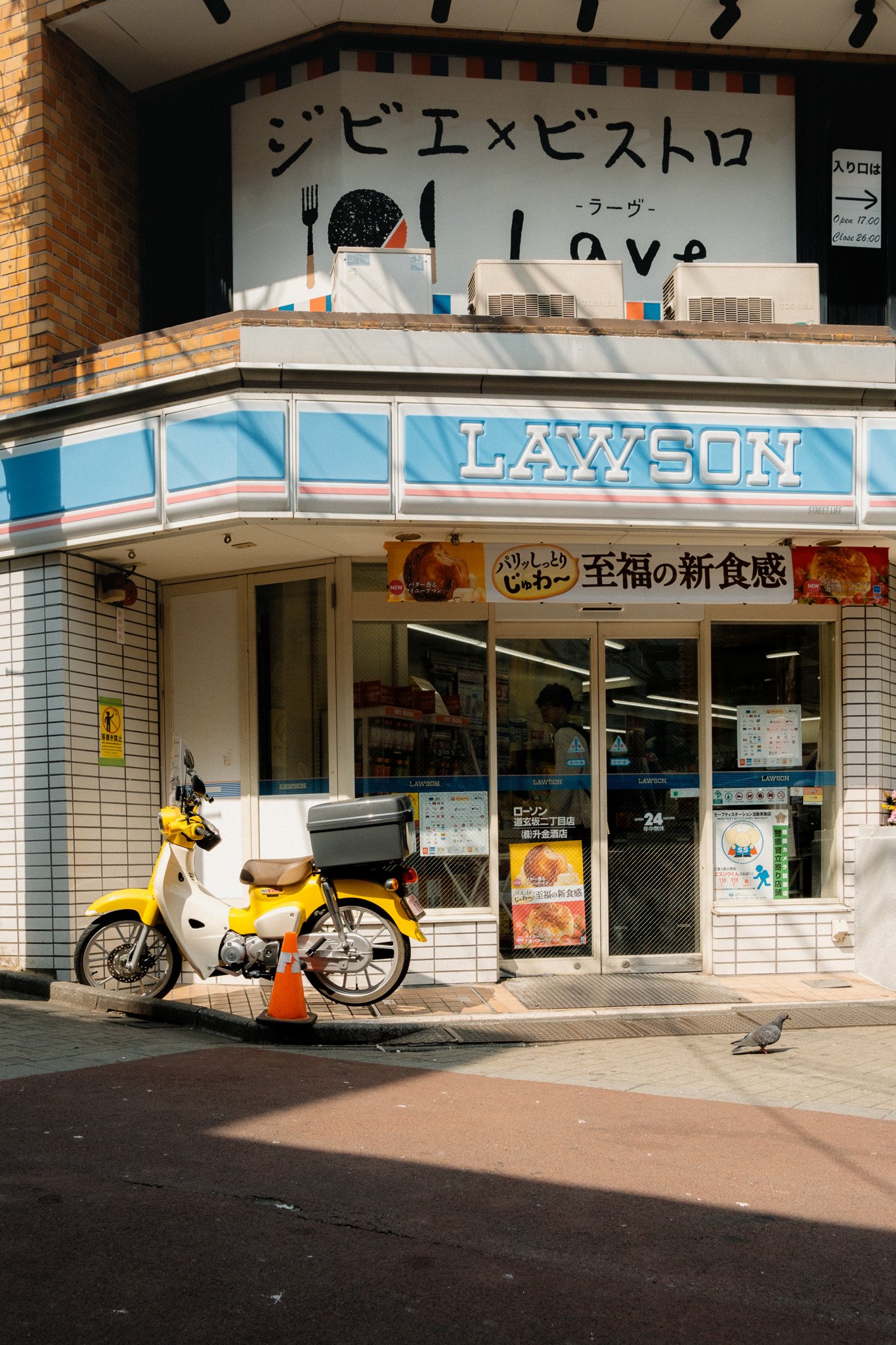
You can use the buildings. You can use the road markings. You can wait for someone to walk through a patch of light, or let a shop sign sit in the corner of the frame without taking over the whole photo.
That was the main thing I noticed looking back through the day set. The city is busy, but it still gives you pieces to work with.
You’re still dealing with Shibuya, so it’s not exactly relaxed. But there’s enough separation to make decisions. You can stand there for a second and work out what the frame is actually about.
Night takes the edges away
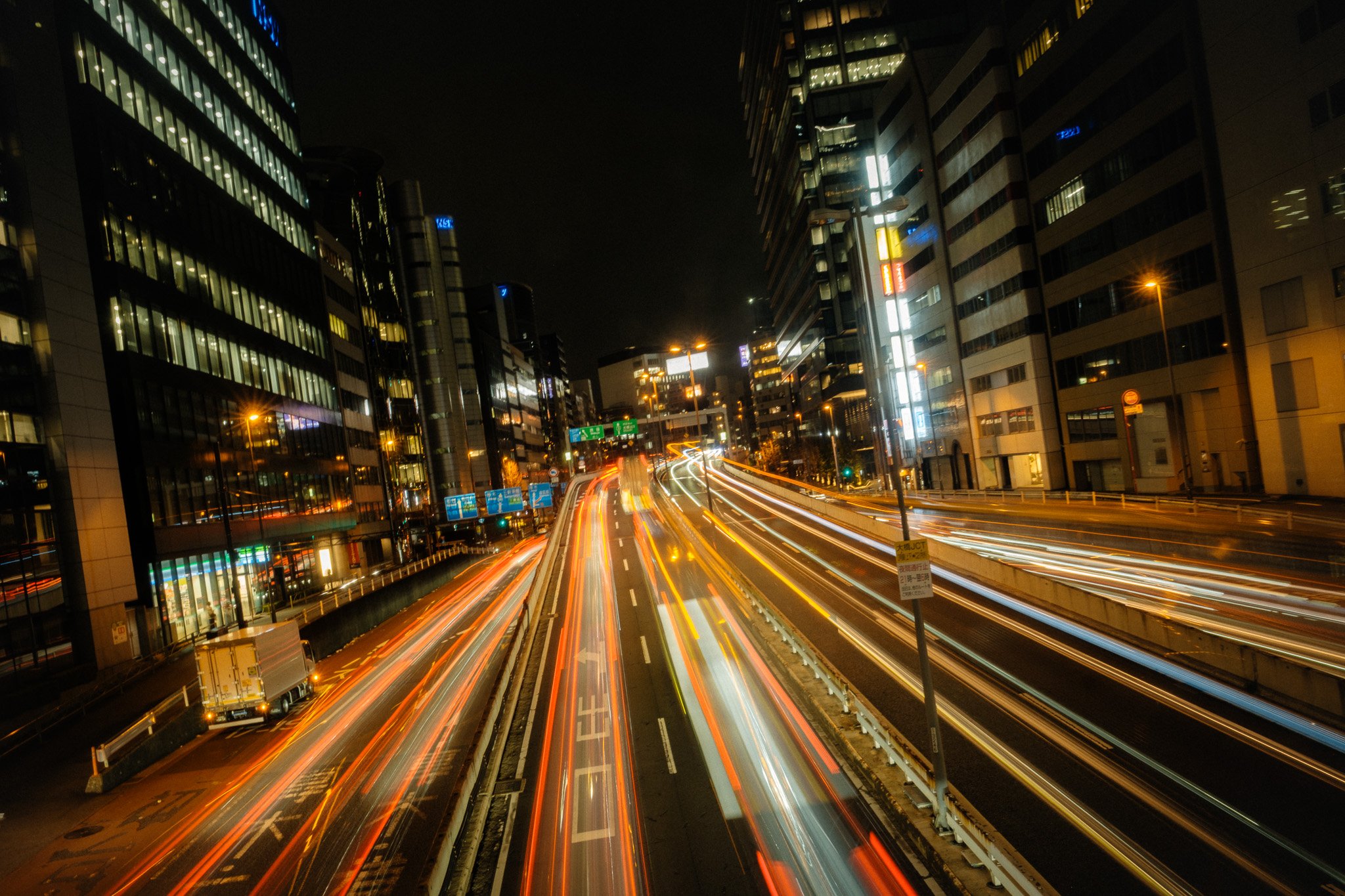
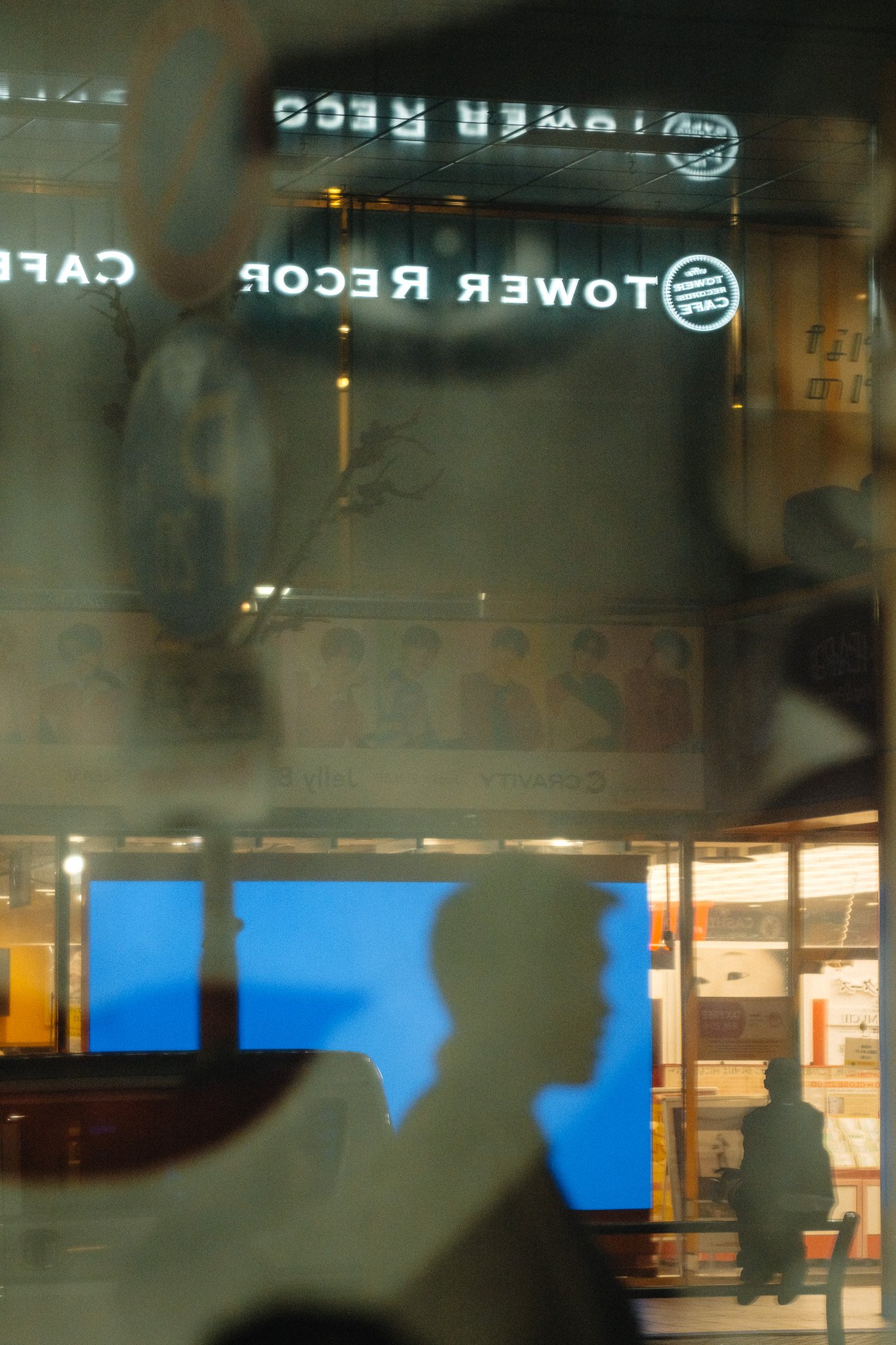
At night, everything in Shibuya wants attention. Every window throws something back at you. Headlights cut across the frame. Buses become blocks of colour. People turn into shapes. Glass starts doing its own thing.
I love that stuff, but it’s harder to shoot than it looks.
The obvious mistake is to point the camera at the brightest thing and hope the photo works because neon looks cool. I’ve done that plenty of times. You get home, open the file, and realise you’ve photographed a sign. That’s it. A sign. Congratulations, mate.
Same place, different shooting brain
That’s what made the two Shibuya sets more interesting than I expected.
The day photos feel like observation. I’m looking for lines, small moments, people moving through a scene, little bits of ordinary Tokyo sitting inside the bigger mess.
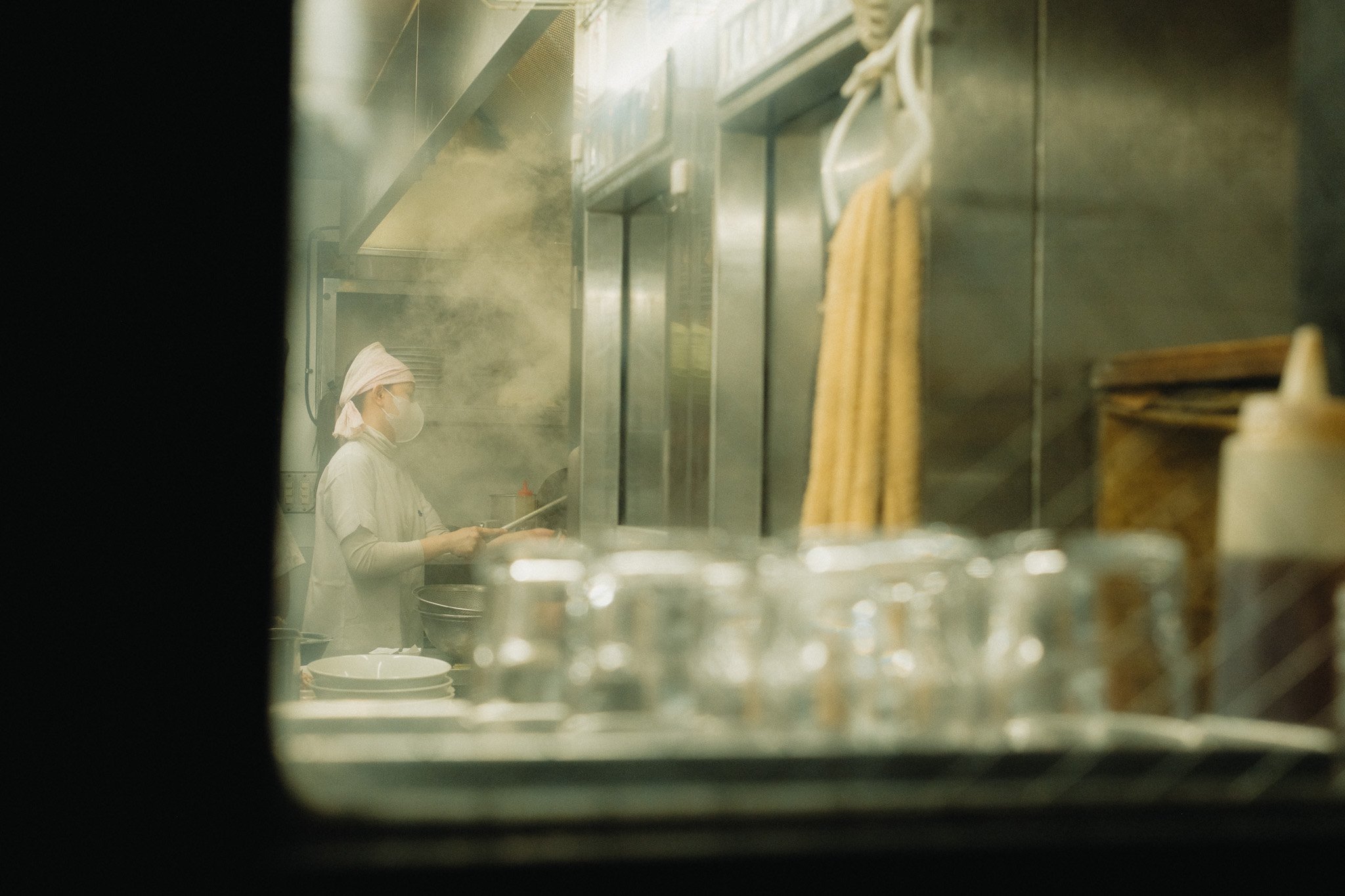
The night photos feel more reactive. Less planning. More chasing. More accepting that half the frame is going to misbehave and trying to make that useful instead of pretending it isn’t happening.
Same area. Same crowds. Same ridiculous amount of visual noise.
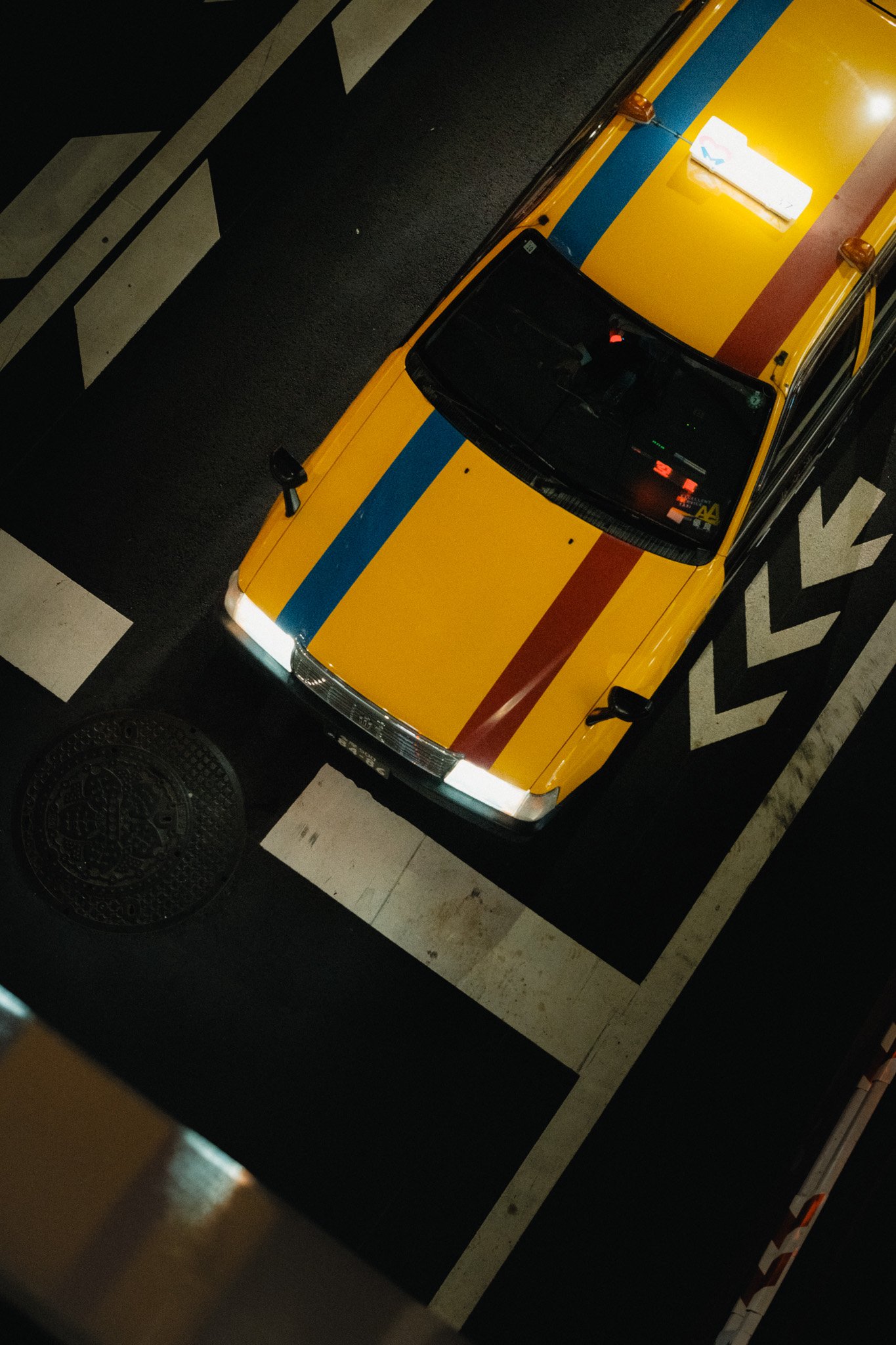
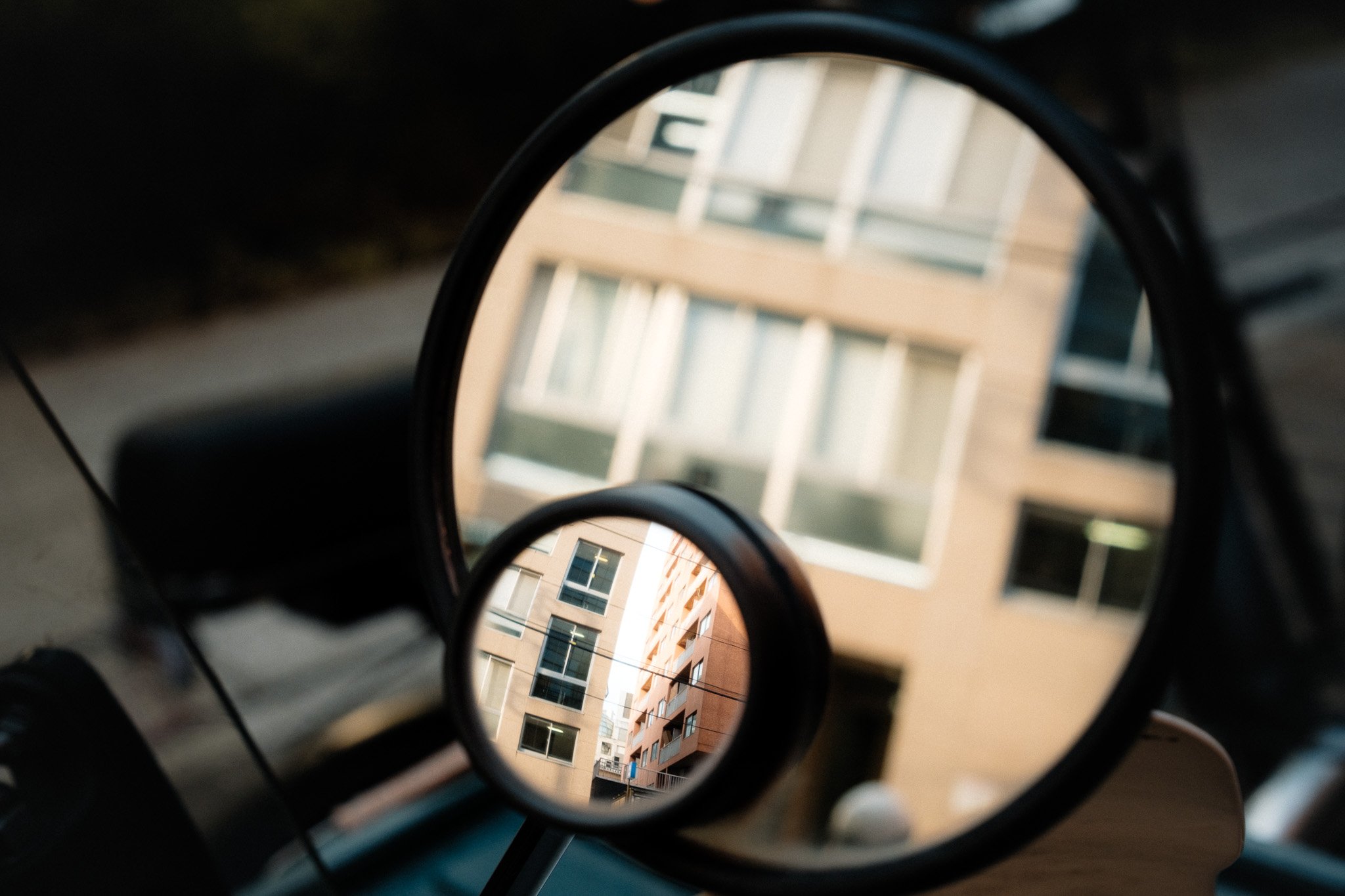
A street corner that works in the afternoon might fall apart after dark because every sign behind it is screaming for attention. A boring road from above might suddenly work because the headlights give it shape. A reflection you’d avoid during the day might become the whole point at night.
Why go back?
I used to think returning to the same place was a bit of a waste. Same crossing. Same buildings. Same signs. Surely there’s another suburb, another station, another set of backstreets to go hunt through.
Fair enough. New places are useful. They jolt you awake. But going back to the same place under different light forces a different kind of attention. You start noticing what actually changed.
Same place. Different lesson.