Control your inputs or they’ll control You
Lately I’ve been trying to control my inputs. More input, less output. collecting more experiences to help my output be better.
Less social media. Less news. More switching off. More books. More audiobooks.
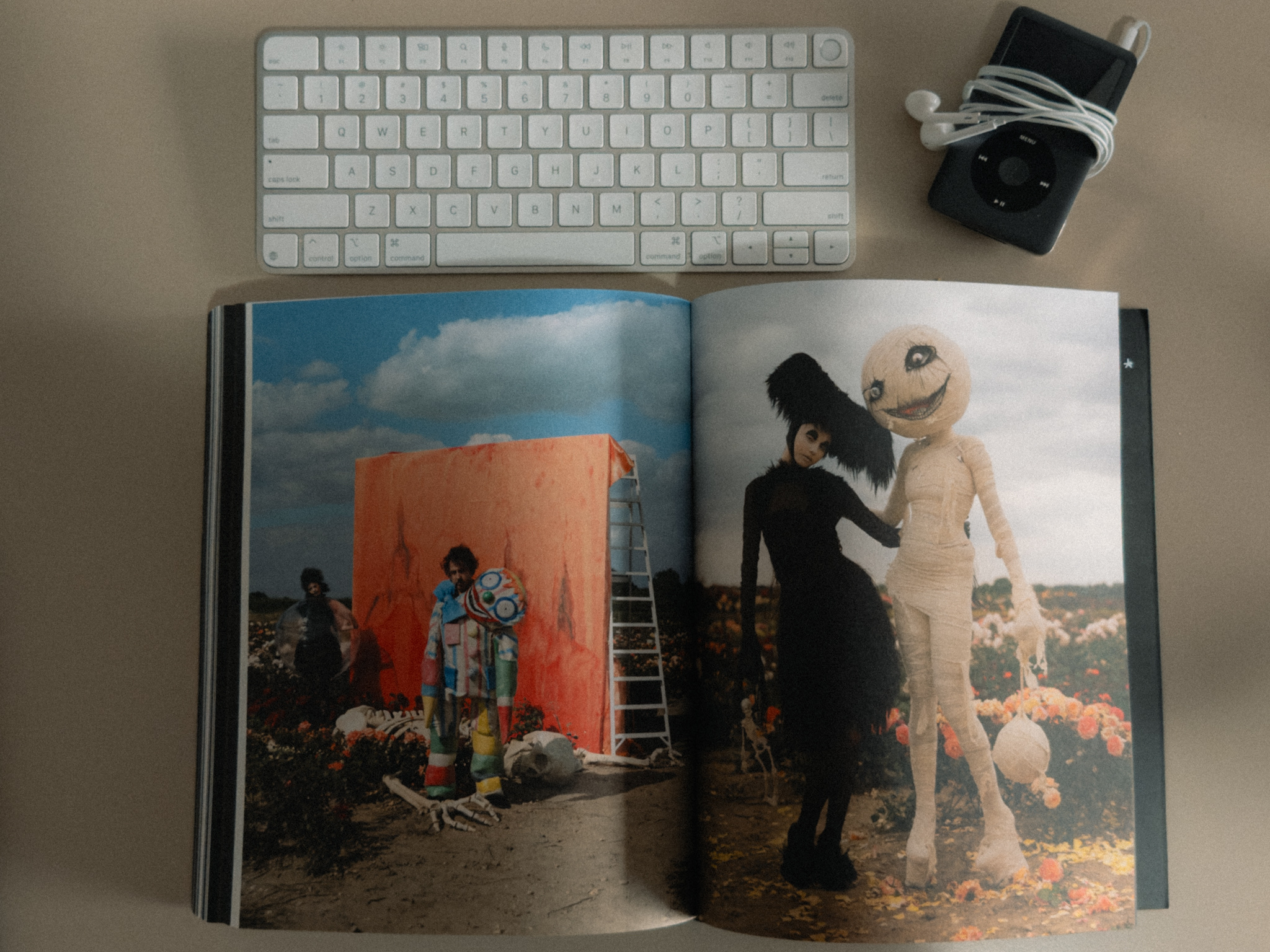
I bought Tim Burton: Designing Worlds. I’ve been reading The Watchman and listening to The Faith of the Beasts.
None of them are photography books.
That’s part of the point.
You know the loop. Photography feels flat, so you open Instagram. Then YouTube gets involved.
It looks like learning.
Before long, it starts shaping how you look.
Where is the exact spot?
Will anyone care about this place?
The internet is very good at answering questions it helped put in your head.
Then you go out with the camera, but you’re not really looking. You’re checking.
Does this scene look like the photos I saved?
Is the light dramatic enough?
Can I make the edit look like the one I saw last night?
That gets exhausting.
I’d buried my own brain in photography for a while. My photos. My edits. Other people’s photos.
It kept pulling my attention into the same small loop.
Reading outside photography breaks that loop.
A book doesn’t need to make you a better photographer to be useful. It can just be interesting. It can leave something sitting in your head without immediately telling you what camera to buy or what photograph to make.
That’s why I wanted the Tim Burton book. Not for a photography lesson. I wanted something outside the usual feed. Different worlds. Different references. Something that wasn’t trying to improve my sharpness, speed up my editing or sell me another version of the thing I already own.
The same goes for fiction, design, history, music, films, conversations, running, coffee shops, or doing nothing for a while.
Not everything needs to arrive as photography advice.
Your eye still takes it in.
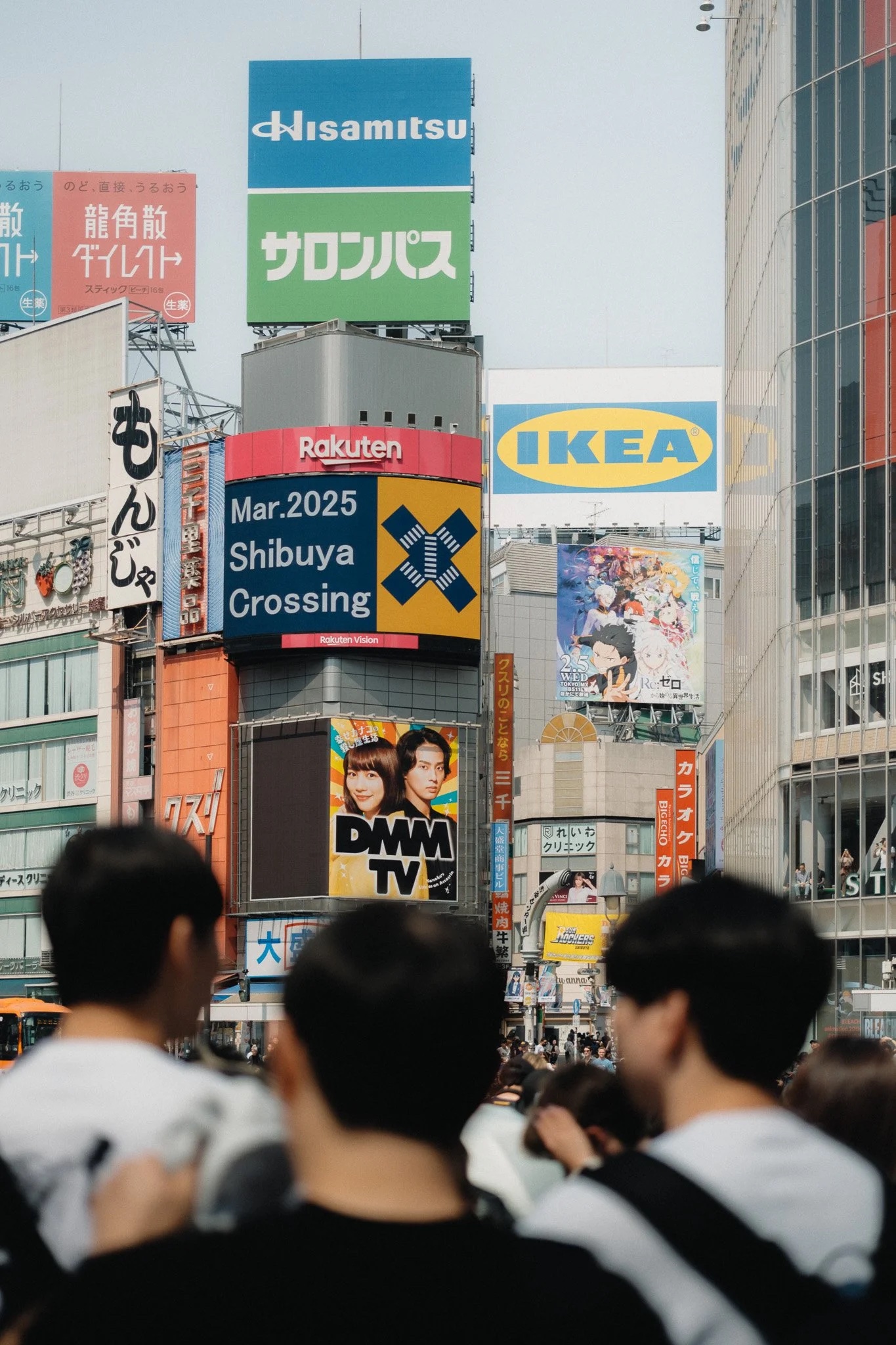
I noticed the trap clearly in Japan. I arrived with famous frames already sitting in my head, but the useful question became much simpler:
Would I shoot this if no one was watching?
No post. No likes. No location tag. No proof that I had been there.
Would I still stop?
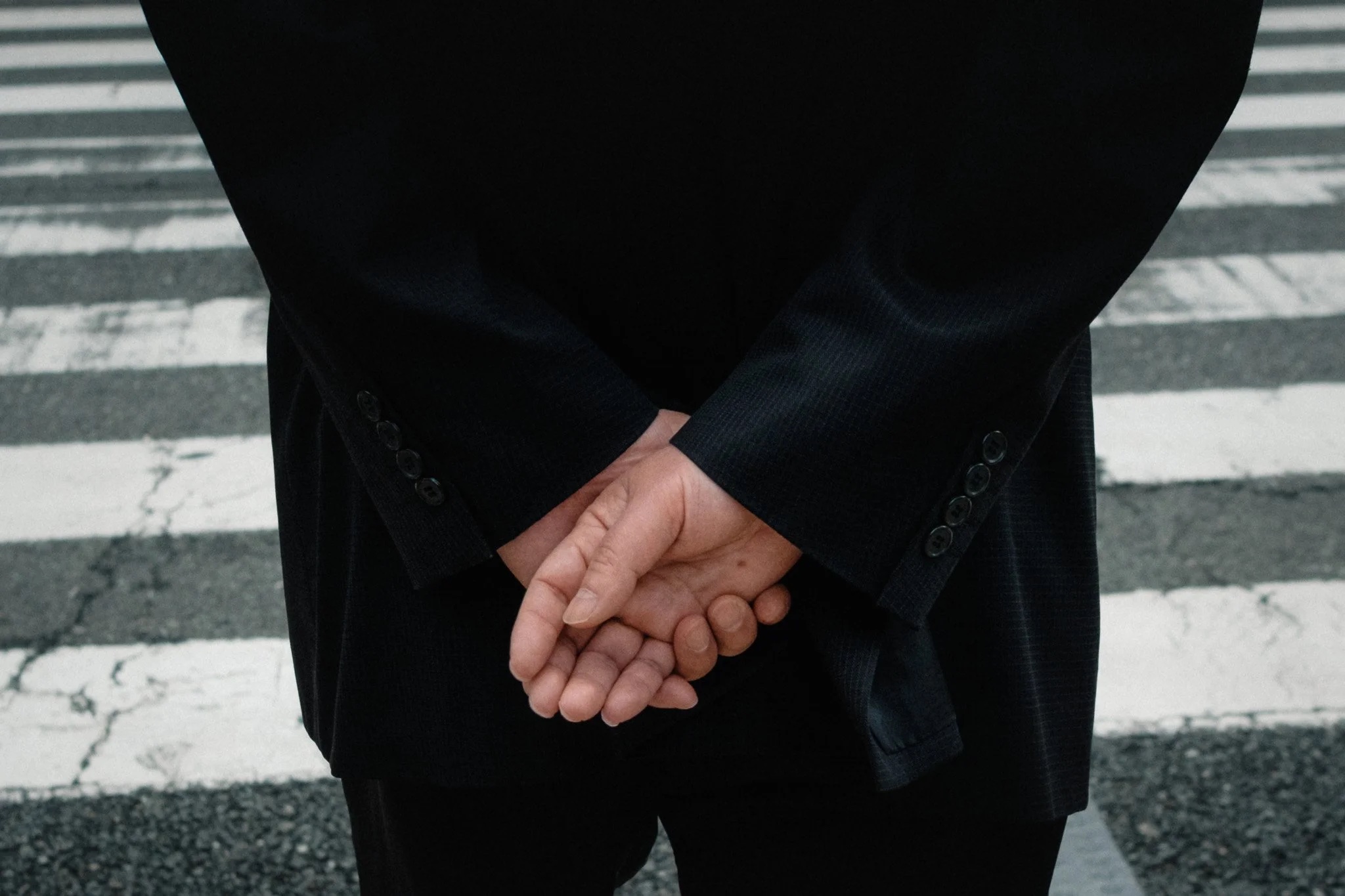
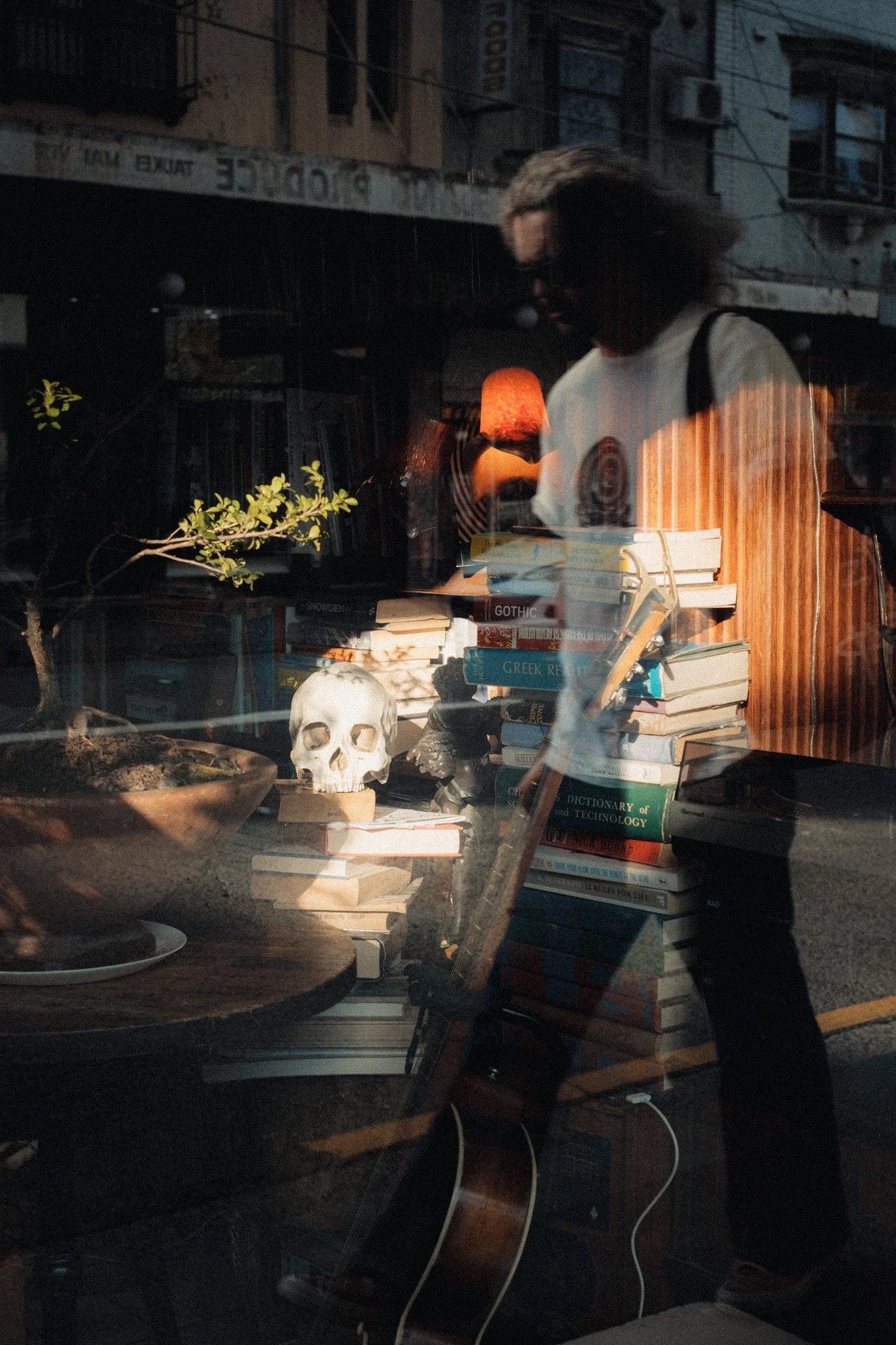
That pulled me away from some of the obvious frames and towards ordinary people, side streets, bad weather and small moments that weren’t performing for the camera.
The question works just as well at home.
Would you photograph your own suburb if nobody saw the result?
Would you still stop for that patch of light if it wasn’t going into a carousel?
Would you edit the photo that way if you couldn’t compare it to someone else’s?
Would you buy that lens if nobody knew you owned it?
You’re probably not bored with photography.
You’re tired of performing it against everything you’ve consumed.
I haven’t deleted the internet or gone full monk mode. I’ve changed the ratio.
Less scrolling. More books that have nothing to do with cameras. More films, music, walks and time with my own files.
More input doesn’t mean more consumption. It means collecting experiences before demanding another output from yourself.
So change the input for a while.
Read something unrelated. Watch a film. Listen to an album properly.
Then pick up the camera and ask yourself one question.
Would I shoot this if no one was watching?