Overcoming Creative Burnout
Your camera's charged. Batteries good. SD card formatted. The lens is sitting there sparkling.
And you just... can't be bothered.
Maybe life's been hectic. Maybe you're sick. Maybe that creative fire went out three weeks ago and you've got no idea how to light it again. I've been there. More than once. And I can tell you exactly what doesn't work before we get to what does.
The Perpetual Distraction Machine
Social media, Instagram, Tik Tok, whatever your poison of choice is. The shot of inspiration is not here. Sure it might give you some ideas, maybe a new photography technique or give you cool shooting locations. But the attention economy wants to keep the eye globes glued to the Social Media platform.
Soon doom scrolling begins… that machine begins to feed on your attention and distract you from your search for inspiration. Instead we are often left with, insecurities about how our lives aren’t as interesting as these social media content creators. Other peoples perfectly curated feeds can make us question our own work and comparison creeps in.
Then down a few layers of algorithms and distractions we land on an Amazon page shopping for new gear.
The Gear Trap
Look, I get it. New gear feels like a fresh start. That rangefinder-style body. That vintage manual lens. You buy it, and for two weeks everything's electric. You're out the door. The world looks different through new glass.
Then it doesn't. The novelty wears off. The camera becomes just another camera. And you're back where you started, except now you're broke too.
Then you are back on a search for the spark of inspiration but all you find is a seat on that perpetual distraction machine.
When Everything You Shoot Is Crap
This one's quieter but it cuts deeper. You spend a whole day walking, shooting, looking. Come home. Import the card. And every single frame is garbage.
If that happens once? Whatever. Bad days exist. But two days in a row? Three? That's when the voice starts. Maybe I've peaked. Maybe I was never that good. Maybe I should just pack it in.
I've had those stretches. They're brutal. And scrolling through other people's work while you're in that headspace is like pouring petrol on the fire.
The Time Problem
Then there's the practical stuff. You've got a job. Kids to drop off. Friends to see. A life. Photography isn't a quick half-hour thing unless you live smack in the middle of somewhere interesting. Most of us have to commute to a good spot, shoot for a few hours, edit after. That's a whole day gone.
So you stop trying. Not dramatically. You just... don't go out this weekend. Or the next one.
So What Actually Works?
Here's what I do. I change places.
Not a big dramatic thing. Just different. If I've been grinding street photography in the city, I'll go on a hike. Or drive to seaside I've never been to. Somewhere the pace is completely different from the usual loop.
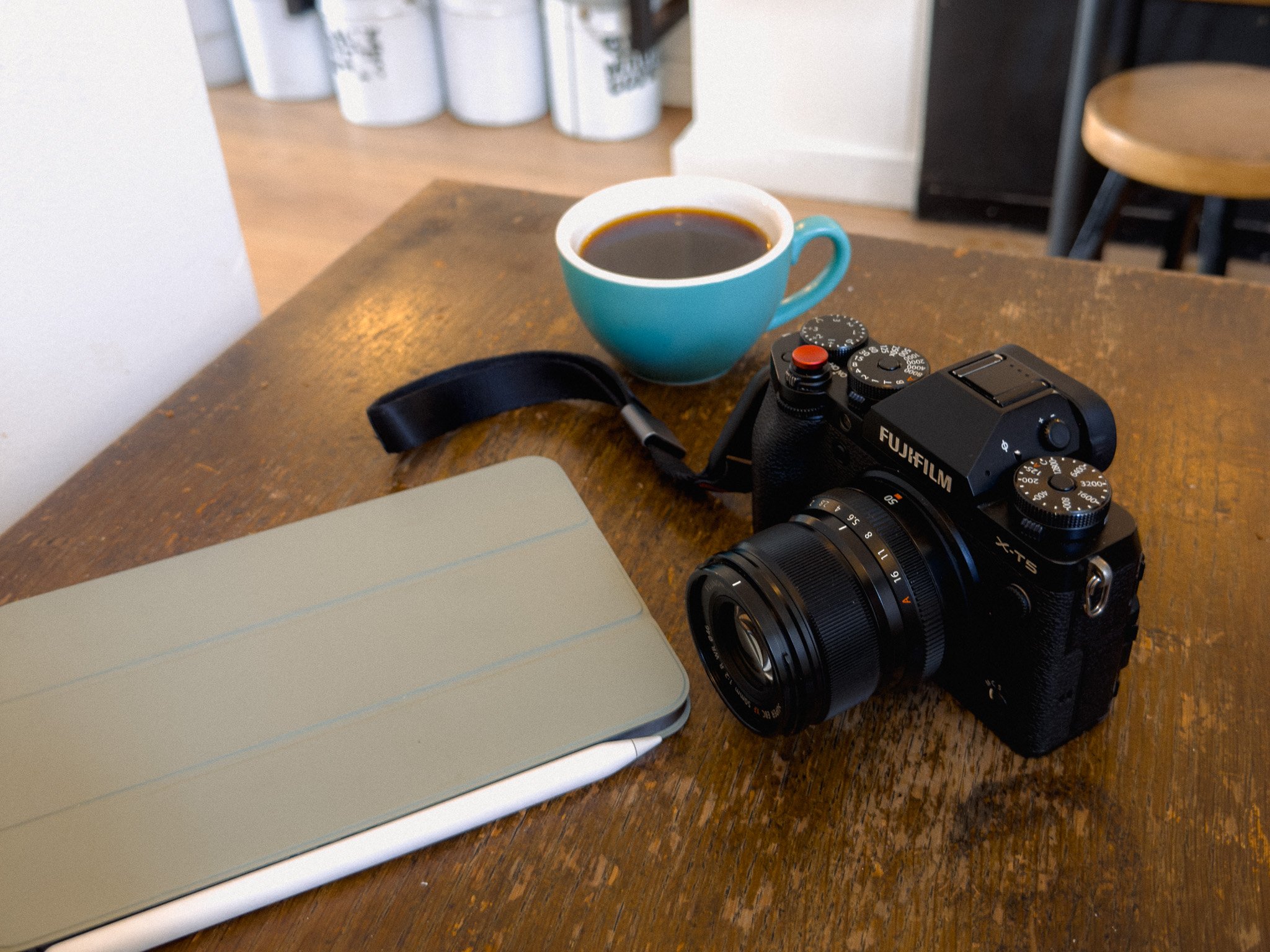
If the rut's in my editing, I'll ditch the laptop, pack my iPad Mini, find a cafe that does pour over coffees, and edit there instead of at home. Sounds dumb. Works though. Because you're not running on autopilot anymore. The new environment shakes something loose.
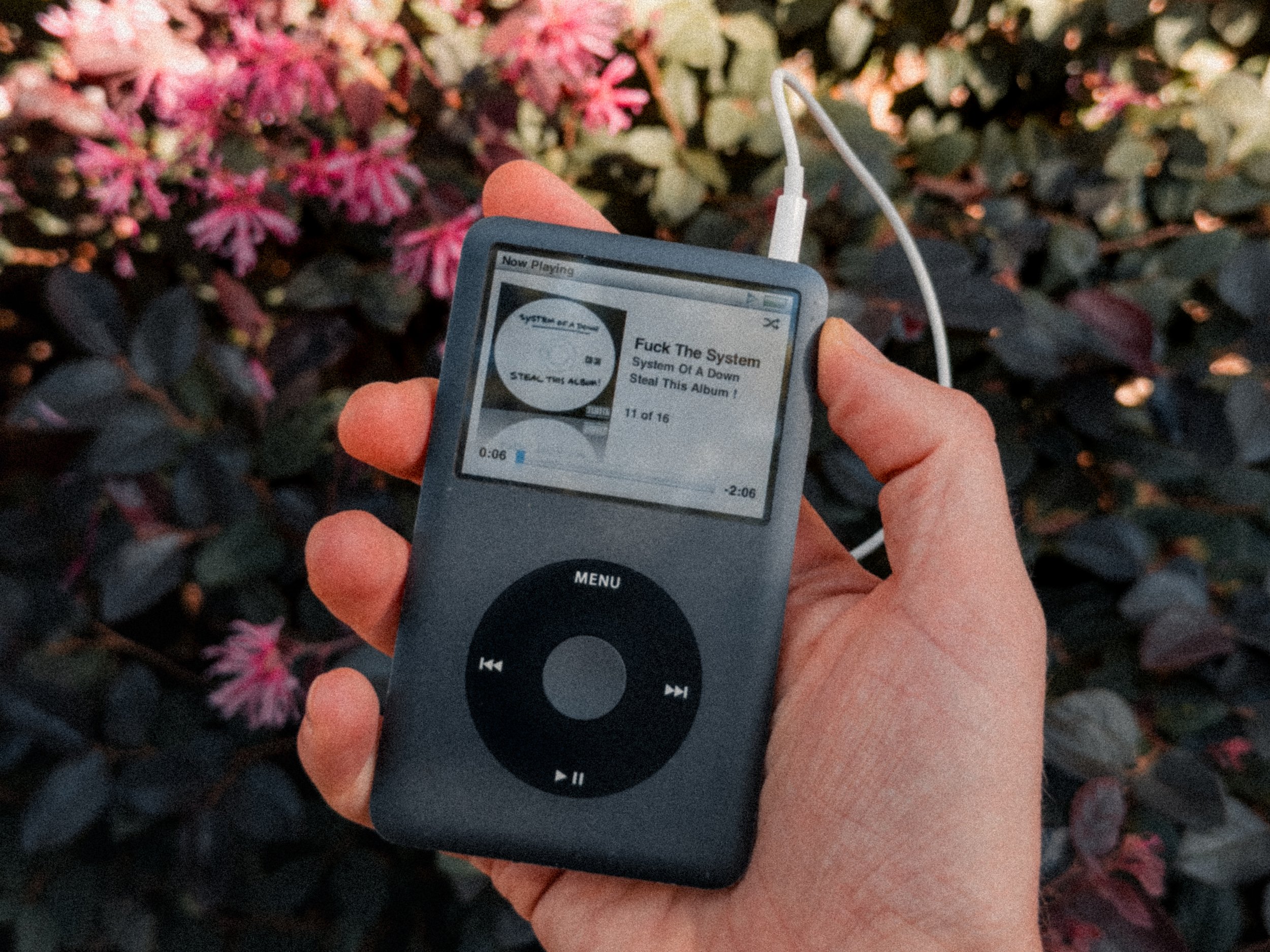
And if you really can't face any of it? Do the opposite of whatever your normal is. If you always shoot alone, go to a photo walk with other photographers. If you always take the camera, leave it home. Walk with your phone. Or walk with nothing. This very Idea for this blog, came from me walking, no camera, just listening to tunes on an old iPod I found in a box and enjoying a sunny day.
Roll It Into Your Life
If you're lugging a chunky camera system around, you're never gonna grab it for a quick walk. Get something small. Something that fits in a coat pocket or a sling bag. A Ricoh GR III. A Fuji X100. Whatever works for you. Just make it light.
Then find the gaps in your day. You commute into the city? Leave thirty minutes earlier. Get off a couple stops before your usual. Walk the last part with your camera out. Lunch break? Same thing. You're already outside. Might as well.
So really think about where it can slot into the day you already have, not the day you wish you had.
Go Watch a Film
Sometimes the best thing for your photography is to stop doing photography.
Go watch something good. I mean the ones that make you sit there after the credits roll, staring at the wall. 2001 Space Odyssey. Blade Runner. Once you look past the surface and start paying attention to how light gets used, how a frame gets composed, how a cut builds tension... there's more in those films than a year of YouTube tutorials.
Go to a museum. Doesn't matter what kind. Art, history, ancient, modern. Just go look at something you haven't seen before. Or reconnect with something you forgot you loved. Retro video games. Old records. Whatever hits that nostalgia nerve.
Go find some green. Not "go on a pilgrimage to Tibet" green. Just the nearest park. A national park if you can swing it. Hike if you're into that. Camp if you're really keen. The point is disconnecting from the feed, the screen, the noise. Let your mind wander without an algorithm telling it where to go.
The Process Will Save You
Here's the bit that took me years to figure out.
Most of us only care about the result. The banger. The one photo that stops the scroll. And when you don't get it, session after session, you feel like you're failing.
So flip it. Design the whole day around enjoying the process instead.
For me that looks like this: I pick a good weather day. Plan a rough route through the city, maybe 10-15 kilometres. Start with a decent coffee shop where I can sit, get the camera out, make sure everything's set up right. Then I walk. I stop whenever something catches my eye. Another cafe. A museum. A weird alley I haven't been down before. I stay curious. I don't rush.
Late afternoon I'll find somewhere good to eat, somewhere with a view, hopefully the light's doing something interesting.
If I come home with zero keepers, I've still had a awesome day. I practiced. I ate well. Got my steps in. Stayed curious. Talked to strangers.
The photos might come. They might not. But I've already won because I actually enjoyed being out there.
For you it might look completely different. Maybe it's climbing a mountain before sunrise to set up a tripod for one shot. Maybe it's photo walks with mates. Whatever it is, figure out what part of this you actually enjoy, and build around that.
Not around getting the perfect shot. Around the time spent with the camera.
When you do that, the rest falls into place. Your eye sharpens. Your work improves. Not because you bought something new or forced yourself out on a grey Tuesday when you didn't want to be there. Because you wanted to be there.